Maybe it’s the nature of horror, or maybe it’s just happenstance, but it seems like lately I’ve been playing and watching things that leave me feeling unsure. I’m not complaining, it’s still stimulating or, simply, fun. It’s just hard to come up with enough coherent thoughts for a post.
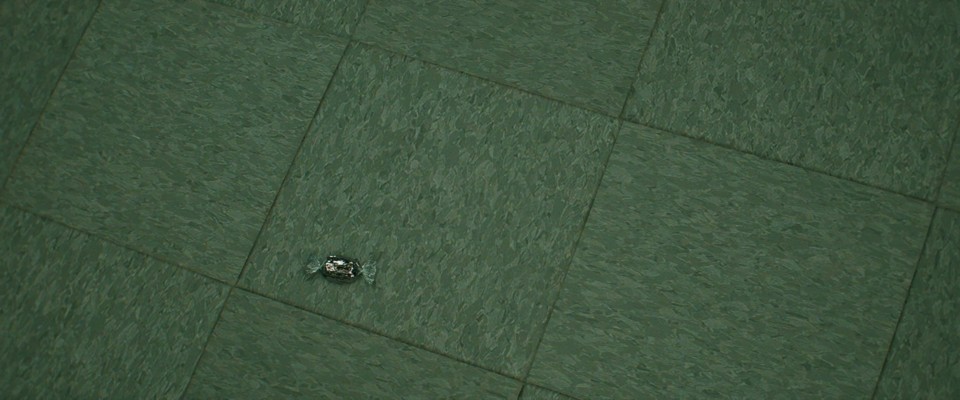
What can I say about Candyman, both
original from 1992 and
new one from 2021 (I skipped others)? Considering that they have a strong racial element, not much. The fact that the first one was primarily made by white people, one of whom was Clive Barker, doesn’t help. What I find interesting is that most horrors inevitably start to look inward. The characters in the movies ask questions about their monsters, and through them, the movies ask the same questions about themselves. Michael Myers is different from Daniel Robitaille, but some answers very similar, peculiarly enough. Candyman has an advantage since, from the beginning, it has been about stories and the people interested in them. Is that postmodern? Perhaps. But maybe it’s simply because if you hold a mirror to society — and horror does that often — you will be reflected in it, no matter what visual trickery you use to avoid it.
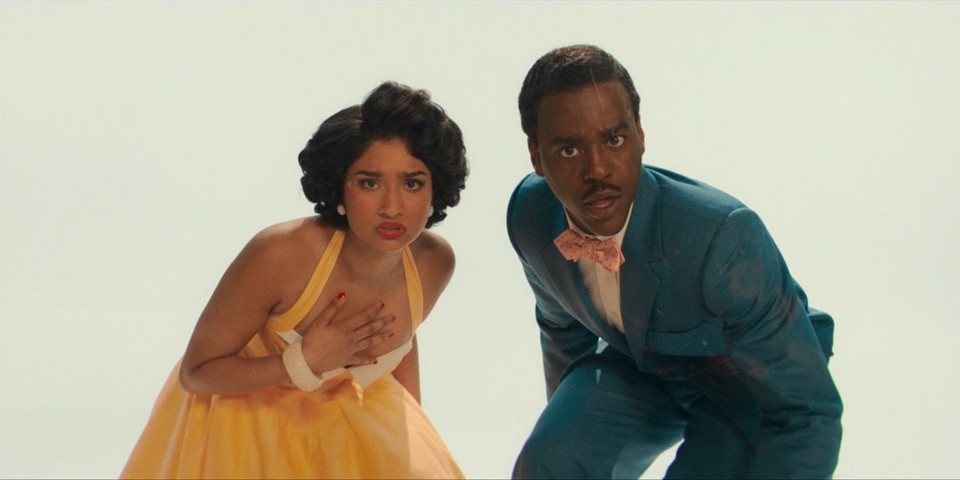
Whimsy. While I wouldn’t say that it is the defining characteristic of Doctor Who, it surely is one of the things that makes it stand out. Its consistent production of fantastical settings and stories, while other sci-fi shows care too much about so called realism, worth a lot. And it also can be scary, unsettling, horrifying even.
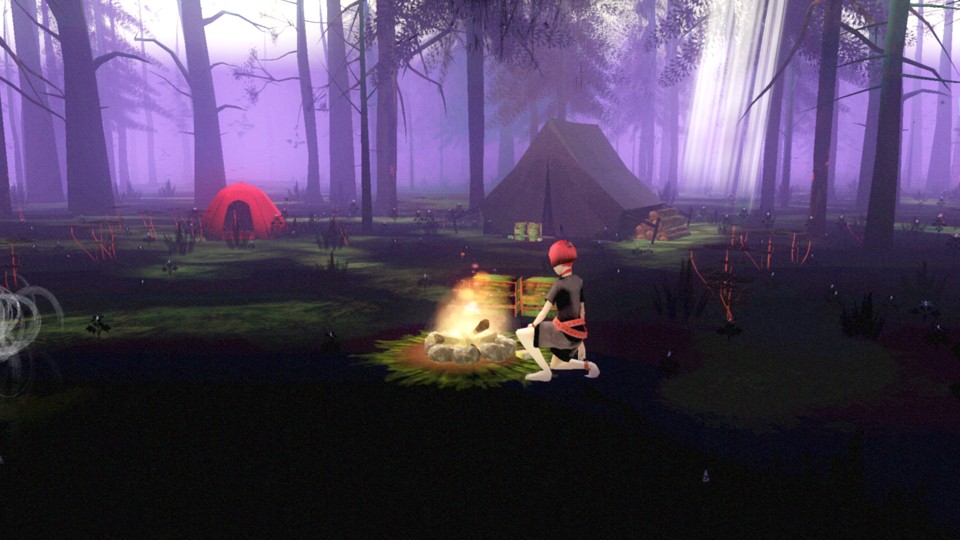
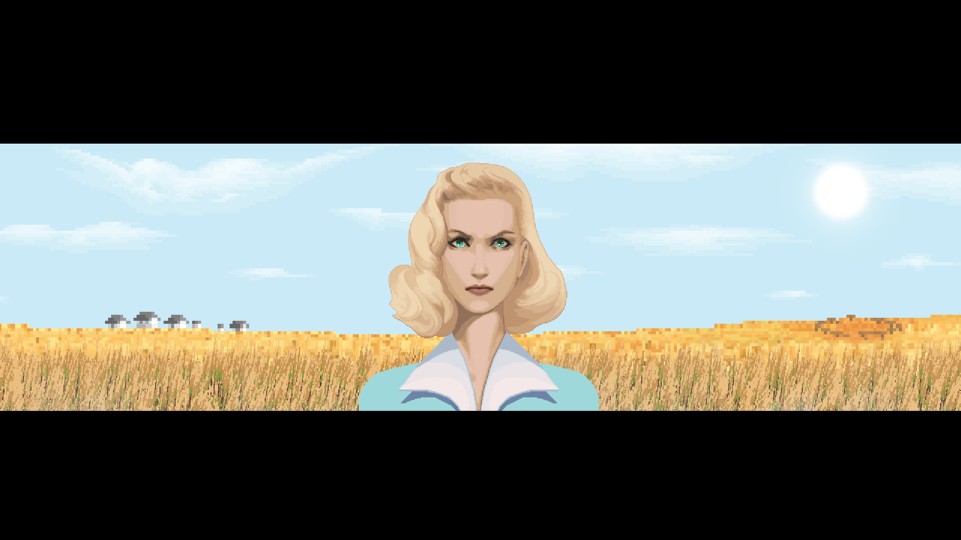
I guess I’m glad I finished The Path. Tale of Tales has always been one of those “WTF are you even doing?” studios, and now I understand that a little better. I have mixed feelings, though. Do I think it’s better when studios like that exist? Of course! Do I mourn this one specifically? Not at all. Is The Path a good game? A bad game?.. Eh…
Apsulov: End of Gods is a pretty good one of those. By that, I mean that it doesn’t really push the boundaries of the action-y horror genre — the fact that it’s also based on Norse mythology doesn’t help — but it’s just well-made. On the other hand, I’m glad that Outliver: Tribulation exists — African cultures are still very underrepresented — but it’s not that good of a game.
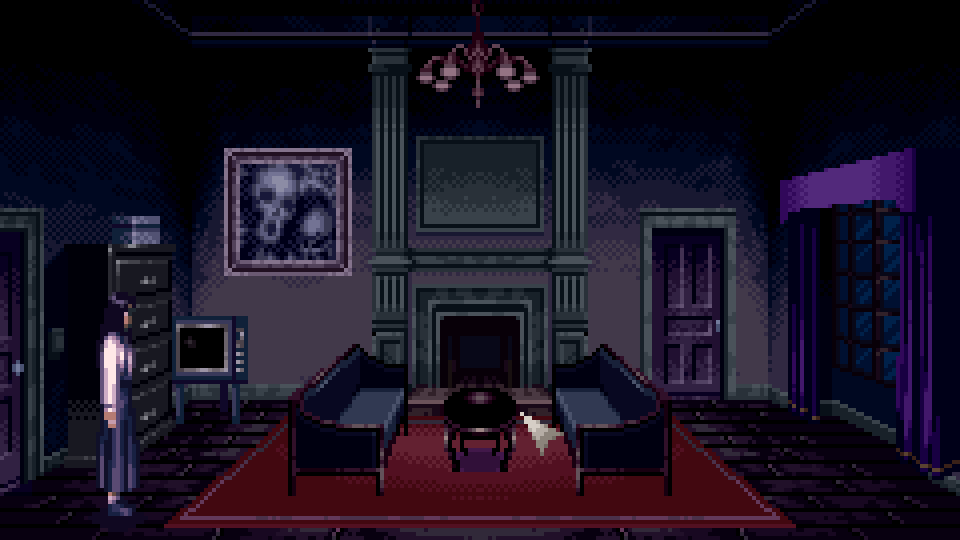
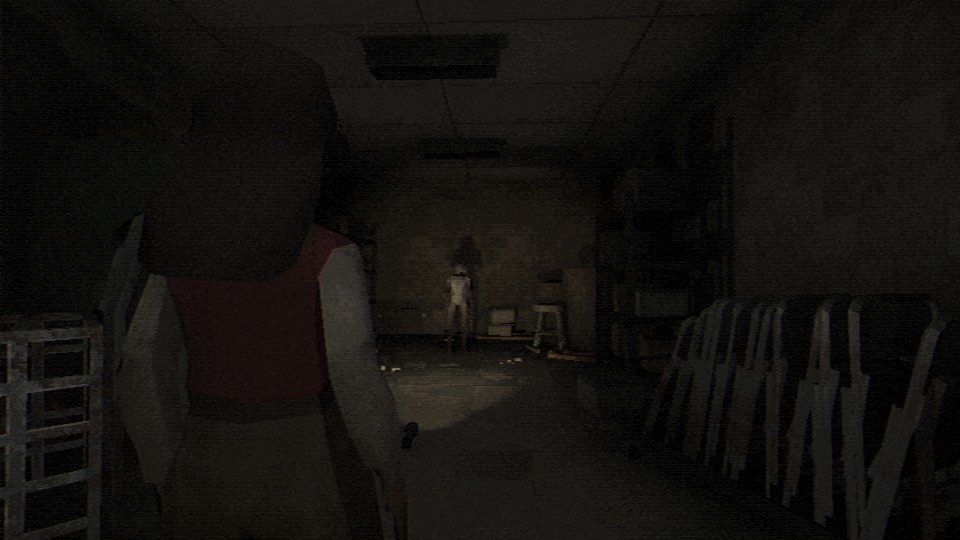
The Clock Tower series, and especially the first game, is often mentioned when it comes to horror video games. For good reason: you can clearly see how it became very influential, from the protagonist to the setting, from the puzzles to the atmosphere, from the visuals to the music (which, if not directly inspired, is very reminiscent of John Carpenter’s work).
What was a bit more surprising to me is how enjoyable it still is today, or at least Clock Tower: Rewind re-release. Which, to be fair, can be entirely down to me expecting some shenanigans from old games, when in fact they are often pretty straightforward. There are some frustrating parts of the point-and-click nature, but not many, and the potentially annoying mechanic of an enemy that can attack and chase you at any moment is not that big of a deal. Not flawless, there are some problematic things, but not many.
I write with the assumption that everyone would look up the content warnings for a particular media I mention themselves, but I don’t think I’ve ever made that clear. So here is a good opportunity to do so, because Loretta is a lot. I can’t say it shocked me, but there were plenty of oof >_< moments. It specifically mentions that it tries to be honest about its subject matter and time period without shying away from the bad, but it doesn’t do that for shock value alone and with enough modern sensibility.
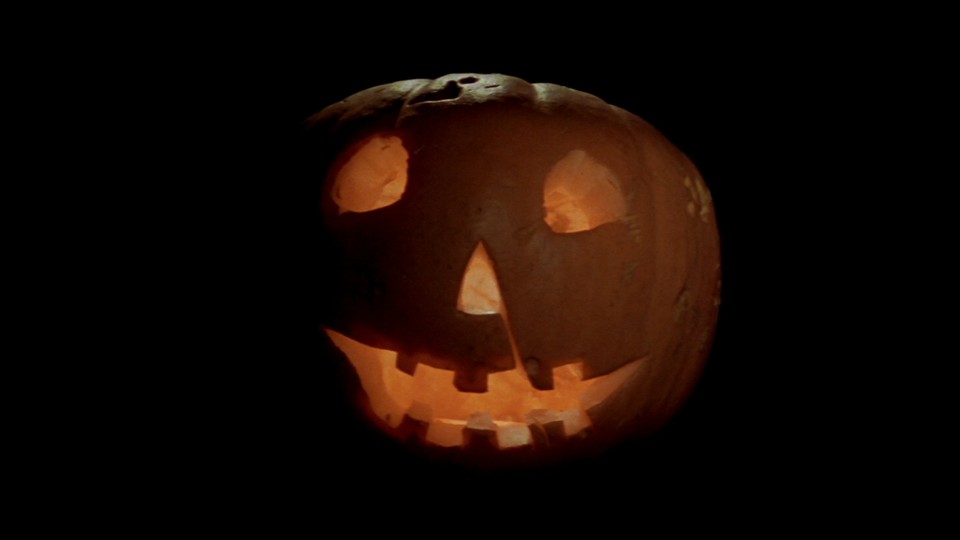
There is a reason the original Halloween is a classic. It’s straightforward, and it knows what’s important: giving the audience characters they care about. It’s very well done: beautiful shots, good music (what might have been an unusual choice), natural acting. It can be seen as simple, even at the time, a vanilla ice cream, if you will. But it is as good as vanilla ice cream can be.
I decided not to watch everything, but to go with Blumhouse continuity (1978 → 2018 → Kills → Ends). So I don’t have all the knowledge and feelings and whatnot as someone who’s seen it all, but even I can get how nice 2018’s Halloween works as a bookend. It’s arguably a bit much, it loses that simplicity with what feels like a deliberate aim at sequels, but it works emotionally.
Elephant in the room: Are these movies another in a line of bad mental health portrayals? Having only seen 4 of them, I can say that… they don’t want to deal with it. Which is bad in itself, because they clearly use the imagery. But you could argue that it’s a pretty realistic portrayal of what happens in such a situation: the unexplainable gets shoved under a rug, and in this case that rug is a mental health institute. Still not great, not great at all, but it is what it is.
But then there are two other movies… Halloween Kills kind of lost me. There are some interesting ideas, and I can’t completely dismiss it, but I’m pretty sure those ideas can easily be squished into the second and fourth movies without losing anything important.
Halloween Ends complicates things even more. I think it’s good, I liked it, but it does a bookend thing again! And with another layer of meta-commentary. I won’t say what it is, but the first layer was about the movies themselves: bookend was about the characters and the franchise.
Gruta is a fairly short game that looks like a Game Boy game, plays also like that, and tells a story in still images.
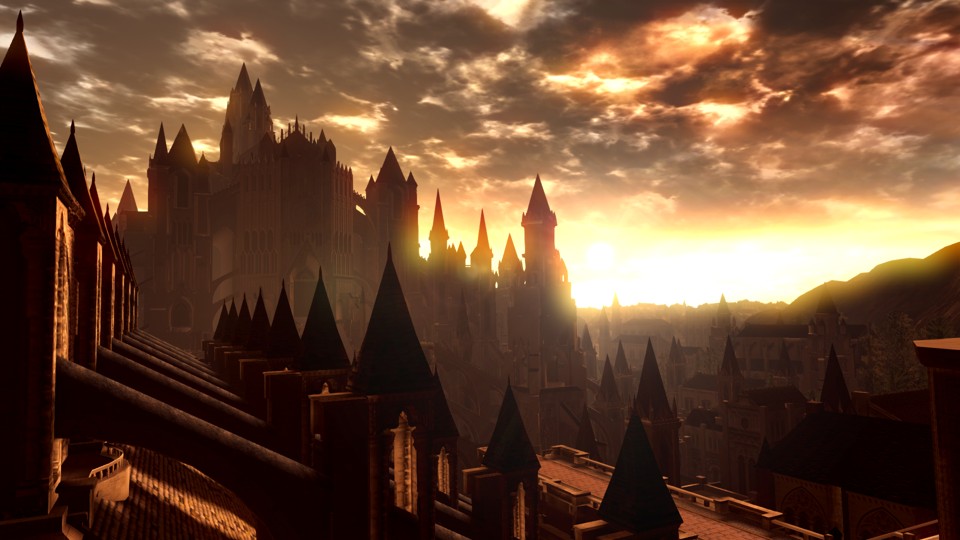
I fineshed the Dark Souls trilogy, all four of them.
[Praise the Sun \o/]
For me, as for most people, I bet, it started with the first Dark Souls. But I was also scared by basically everyone not to go online, for fear that cheaters would destroy my equipment or even corrupt my save. Playing on a PC, where saves (allegedly) could corrupt themselves, didn’t help either. So even though I was hooked, I never made it past the famous pair of bosses. But I did everything else and really enjoyed my time.
When the second one was released, I decided to participate in the jolly co-operation, and with the help of strangers on some particularly annoying bosses, I finish it. The third was even smoother in that regard, and I even played a bit on a certain gaming publication’s stream (streamer was my buddy). I finished Demon’s Souls just last year.
Since I’m playing horror games for a foreseeable future, I used that as an excuse to go back and finish the first one. Dark Souls: Remastered, to be precise.
Calling it a remaster is a bit of a stretch, to be honest. On PC, it’s a much smoother experience than the Prepare to Die Edition was, but you’re not getting anything beyond that.
I don’t think I have anything special to add to what I said about Demon’s Souls. I still think that the discussion about the whole soulslike subgenre is full of misunderstandings, to say the least. I still think there is a lot to like about them besides the combat. I still like them, a lot.
You really made it when a game mechanic from your genre is an entire game. Save Room is that. There’s not much to add, but anyone who’s played a survival horror game — or any game with inventory Tetris, really — would know what’s going on.
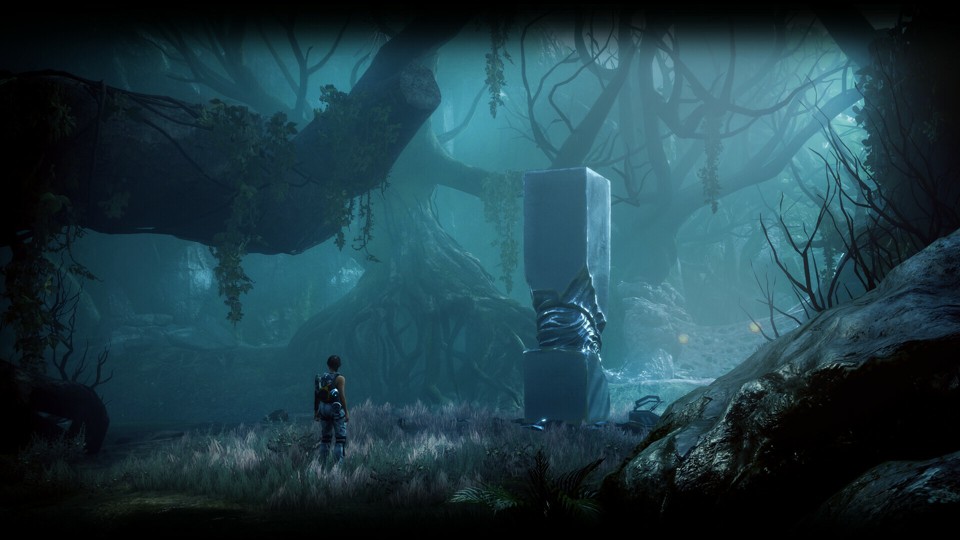
Scars Above was a pleasant surprise, I never heard any kind of buzz about it. Which might mean that I like it a bit more because there were no expectations. But it is good! It takes the structure of a soulslike and mixes it with arcade shooter mechanics where enemies have weak points and different elements (water, fire, etc.) play a role. It’s relatively short and straightforward, so not too much complexity, but what’s there is pretty good. It is a bit on the “budget indie title” side, especially the dead eyes of the characters are jarring, but overall not bad looking. A decent sci-fi story and characters also help.
I also played some other games and watched some movies, but I hope to finish the series they belong to and write about them as a whole.
Fear the Spotlightis great. It’s a pretty focused, mostly puzzle game with some stealth elements. An interesting take on a particular story that doesn’t do anything drastic, but isn’t afraid to play with tropes and themes.
Not much to say about the next three games. Not bad, above average for sure. I really liked the British post-apocalyptic atmosphere of Hollowbody. Go Home Annie is not only interested in spooky stuff, but in the SCP Foundation itself, much like Remedy’s Control, and that’s fun. I don’t think The Chant is particularly good at criticizing what it wants to criticize, but overall just a solid game.
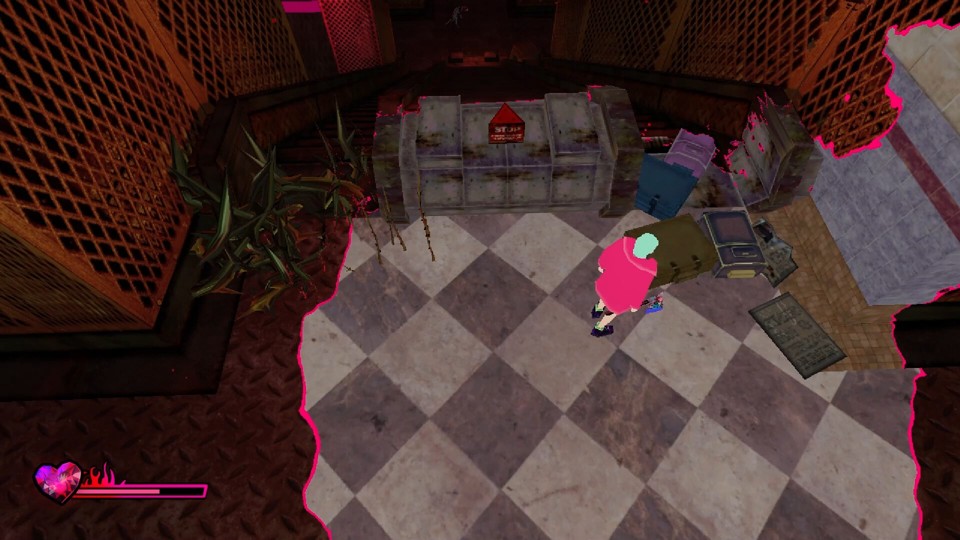
Sorry We’re Closed does a lot. From its take on survival horror combat (action games where you have to feel powerless), to great visuals, to… dating sim, eh, flavor?.. The story goes places, too. Very good.
Ok, calling PixelJunk Shooter Ultimate a horror game is a stretch, but there are two stages that are clearly horror themed. So, there. It is a twin-stick shooter with an emphasis on physics based puzzles. What happens when you drop water on magma? What if you drop a block on an enemy? Stuff like that. Can be quite challenging, especially bosses, but still very enjoyable.
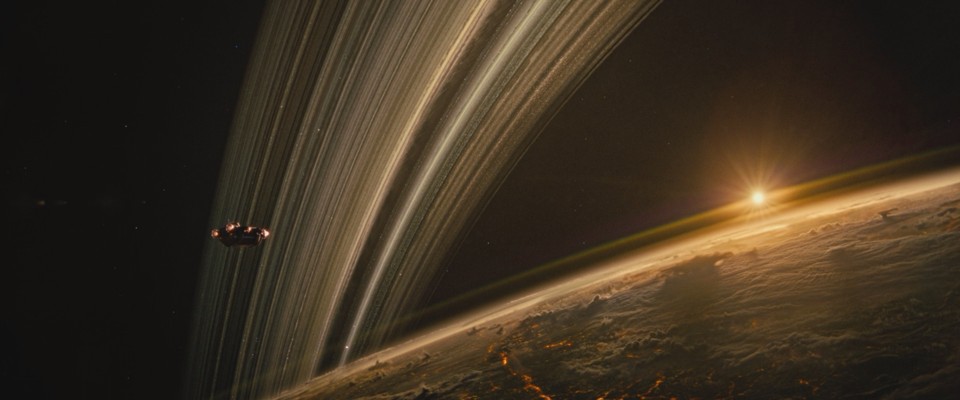
On the one hand, Alien: Romulus justifies itself by introducing very interesting character dynamics, and that’s the highest praise a movie in a long-running franchise, where it is a sequel, after prequel, after reboot, can ever get. On the other hand, does it? Why is the neurodivergent character an android? Why is there a CGI You-Know-Who? Do you have to throw direct quotes?
I honestly don’t know if I like the movie or not. It is very beautiful, in that “corporate future is terrible” kind of way. Good acting, minus the aforementioned You-Know-Who. But yeah, maybe the Alien series has said everything there is to say at this point.