Maybe it’s the nature of horror, or maybe it’s just happenstance, but it seems like lately I’ve been playing and watching things that leave me feeling unsure. I’m not complaining, it’s still stimulating or, simply, fun. It’s just hard to come up with enough coherent thoughts for a post.
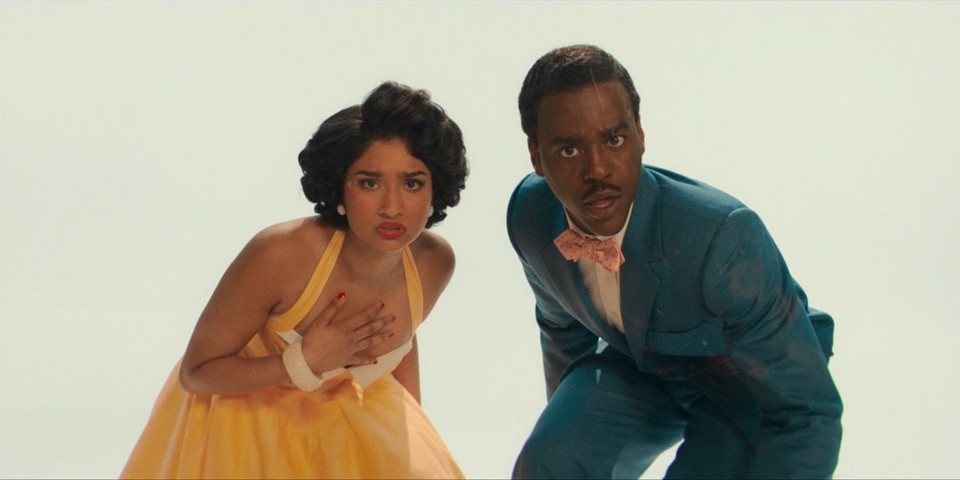
What can I say about Candyman, both
original from 1992 and
new one from 2021 (I skipped others)? Considering that they have a strong racial element, not much. The fact that the first one was primarily made by white people, one of whom was Clive Barker, doesn’t help. What I find interesting is that most horrors inevitably start to look inward. The characters in the movies ask questions about their monsters, and through them, the movies ask the same questions about themselves. Michael Myers is different from Daniel Robitaille, but some answers very similar, peculiarly enough. Candyman has an advantage since, from the beginning, it has been about stories and the people interested in them. Is that postmodern? Perhaps. But maybe it’s simply because if you hold a mirror to society – and horror does that often – you will be reflected in it, no matter what visual trickery you use to avoid it.
Whimsy. While I wouldn’t say that it is the defining characteristic of Doctor Who, it surely is one of the things that makes it stand out. Its consistent production of fantastical settings and stories, while other sci-fi shows care too much about so called realism, worth a lot. And it also can be scary, unsettling, horrifying even.
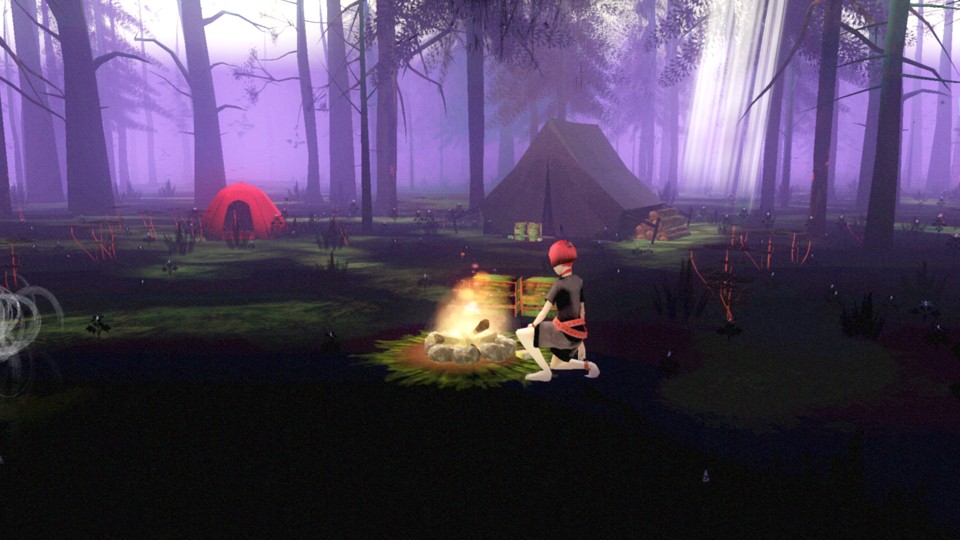
I guess I’m glad I finished The Path. Tale of Tales has always been one of those “WTF are you even doing?” studios, and now I understand that a little better. I have mixed feelings, though. Do I think it’s better when studios like that exist? Of course! Do I mourn this one specifically? Not at all. Is The Path a good game? A bad game?.. Eh…
Apsulov: End of Gods is a pretty good one of those. By that, I mean that it doesn’t really push the boundaries of the action-y horror genre – the fact that it’s also based on Norse mythology doesn’t help – but it’s just well-made. On the other hand, I’m glad that Outliver: Tribulation exists – African cultures are still very underrepresented – but it’s not that good of a game.
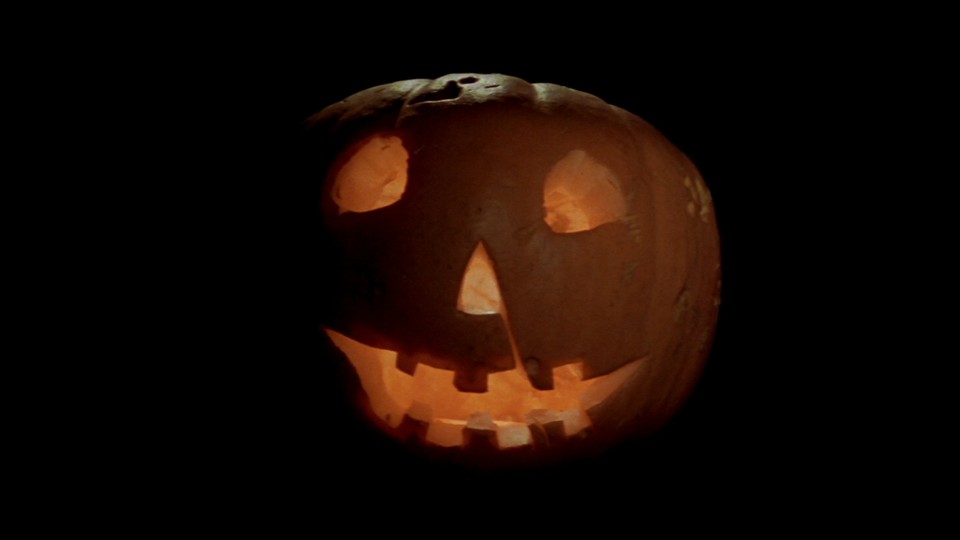
There is a reason the original Halloween is a classic. It’s straightforward, and it knows what’s important: giving the audience characters they care about. It’s very well done: beautiful shots, good music (what might have been an unusual choice), natural acting. It can be seen as simple, even at the time, a vanilla ice cream, if you will. But it is as good as vanilla ice cream can be.
I decided not to watch everything, but to go with Blumhouse continuity (1978 → 2018 → Kills → Ends). So I don’t have all the knowledge and feelings and whatnot as someone who’s seen it all, but even I can get how nice 2018’s Halloween works as a bookend. It’s arguably a bit much, it loses that simplicity with what feels like a deliberate aim at sequels, but it works emotionally.
Elephant in the room: Are these movies another in a line of bad mental health portrayals? Having only seen 4 of them, I can say that… they don’t want to deal with it. Which is bad in itself, because they clearly use the imagery. But you could argue that it’s a pretty realistic portrayal of what happens in such a situation: the unexplainable gets shoved under a rug, and in this case that rug is a mental health institute. Still not great, not great at all, but it is what it is.
But then there are two other movies… Halloween Kills kind of lost me. There are some interesting ideas, and I can’t completely dismiss it, but I’m pretty sure those ideas can easily be squished into the second and fourth movies without losing anything important.
Halloween Ends complicates things even more. I think it’s good, I liked it, but it does a bookend thing again! And with another layer of meta-commentary. I won’t say what it is, but the first layer was about the movies themselves: bookend was about the characters and the franchise.
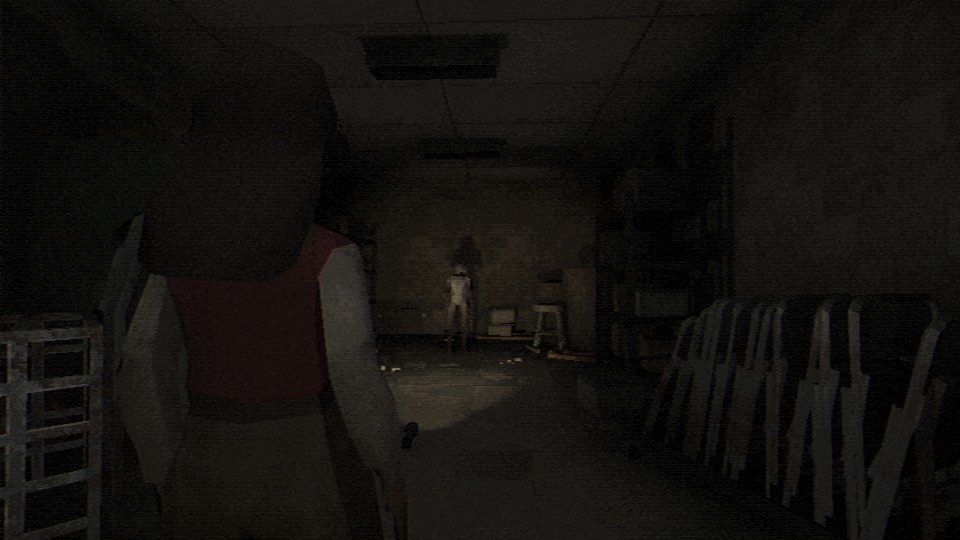
Gruta is a fairly short game that looks like a Game Boy game, plays also like that, and tells a story in still images.
Fear the Spotlightis great. It’s a pretty focused, mostly puzzle game with some stealth elements. An interesting take on a particular story that doesn’t do anything drastic, but isn’t afraid to play with tropes and themes.
Not much to say about the next three games. Not bad, above average for sure. I really liked the British post-apocalyptic atmosphere of Hollowbody. Go Home Annie is not only interested in spooky stuff, but in the SCP Foundation itself, much like Remedy’s Control, and that’s fun. I don’t think The Chant is particularly good at criticizing what it wants to criticize, but overall just a solid game.
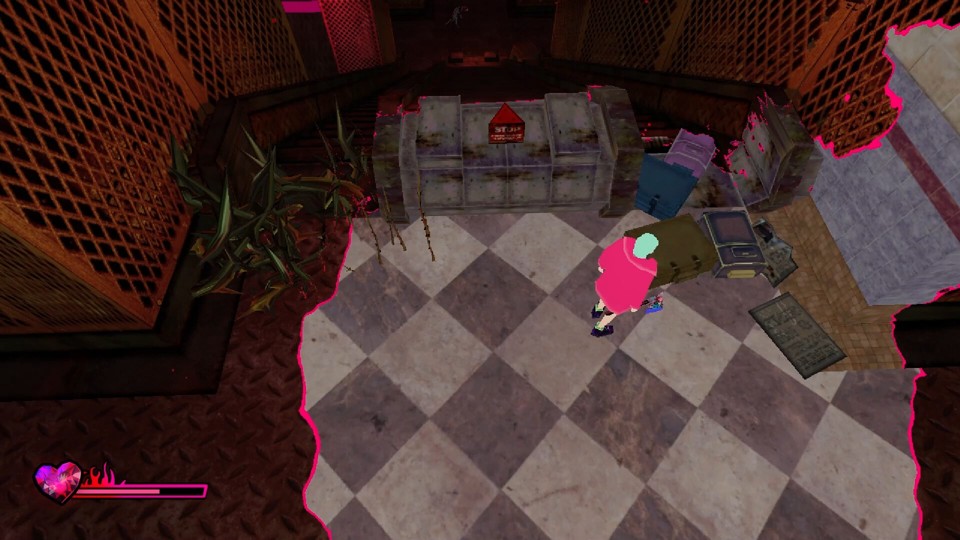
Sorry We’re Closed does a lot. From its take on survival horror combat (action games where you have to feel powerless), to great visuals, to… dating sim, eh, flavor?.. The story goes places, too. Very good.
Ok, calling PixelJunk Shooter Ultimate a horror game is a stretch, but there are two stages that are clearly horror themed. So, there. It is a twin-stick shooter with an emphasis on physics based puzzles. What happens when you drop water on magma? What if you drop a block on an enemy? Stuff like that. Can be quite challenging, especially bosses, but still very enjoyable.
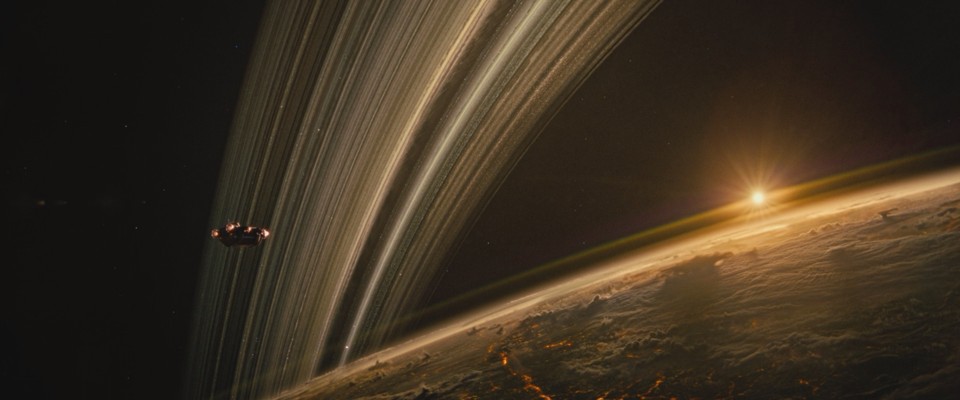
On the one hand, Alien: Romulus justifies itself by introducing very interesting character dynamics, and that’s the highest praise a movie in a long-running franchise, where it is a sequel, after prequel, after reboot, can ever get. On the other hand, does it? Why is the neurodivergent character an android? Why is there a CGI You-Know-Who? Do you have to throw direct quotes?
I honestly don’t know if I like the movie or not. It is very beautiful, in that “corporate future is terrible” kind of way. Good acting, minus the aforementioned You-Know-Who. But yeah, maybe the Alien series has said everything there is to say at this point.
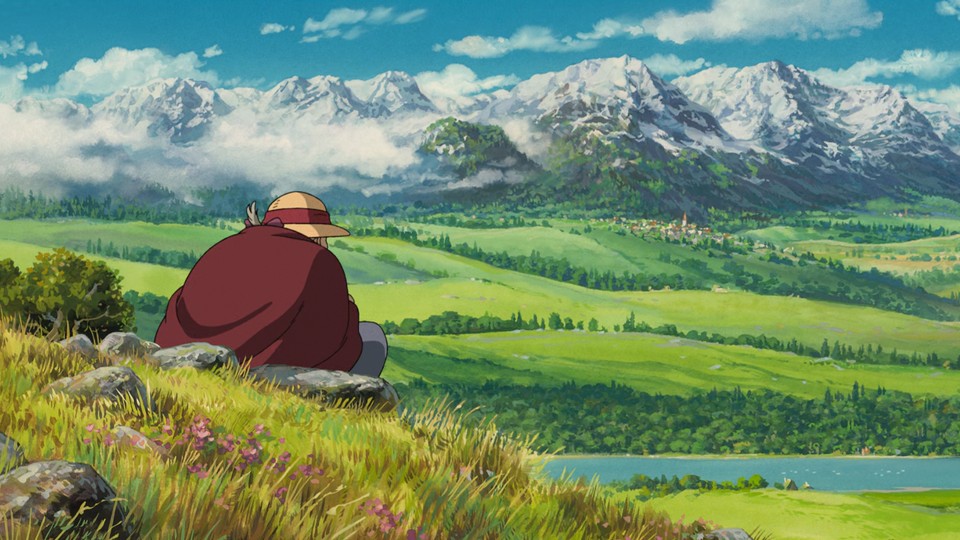
I didn’t like Howl’s Moving Castle that much. While Kiki is more or less the same, Nausicaä is a clear expansion, the story of
the book and
the movie are very different, in a way that reading the book first made watching the movie very confusing for me. What they have in common is that I don’t think they sold the romance that well, if at all. The characters were… eh. I wasn’t on board with the themes.
There is a valid criticism of Miyazaki’s handling of war that I won’t go into here, and Howl’s is a great example for that discussion.
Ponyo on the other hand is simply adorable. In a way, it is a return to My Neighbor Totoro, in a slightly bigger way. And that’s alone is enough for me.
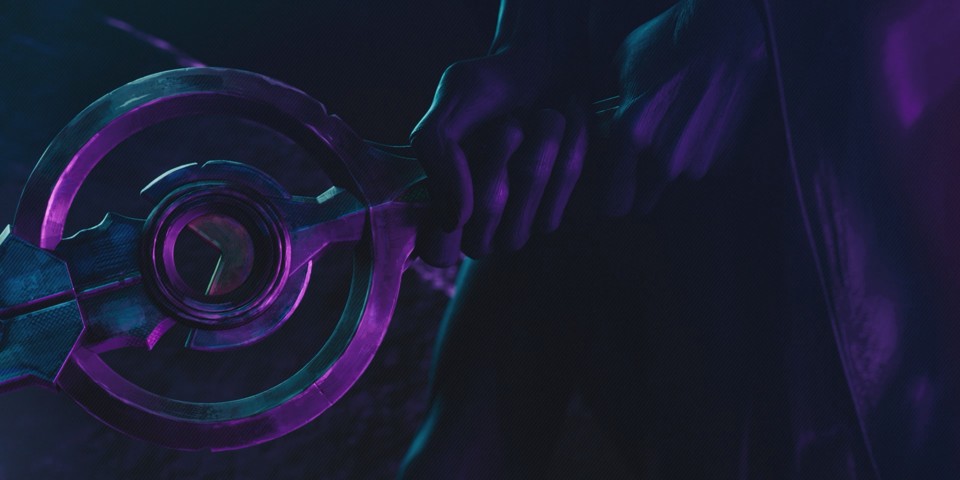
[The dark and gritty Pac-Man reboot.]
I don’t think I had a choice not to see Secret Level. So I did. The best episodes are the ones where the story has to deal with a game mechanic, so it is very disappointing that most of them chose the same one: respawn. The others just chose to tell the story in a world of a game, and for 10 minute episodes, sometimes even less, they were fine stories. Ultimately, not a disappointment, not by a long shot, but overall just not a memorable anthology.
Star Trek, the MCU before the MCU. Superheroes. Characters jumping between shows. A bunch of actor appearances where you go “that one too?”. Endgame.
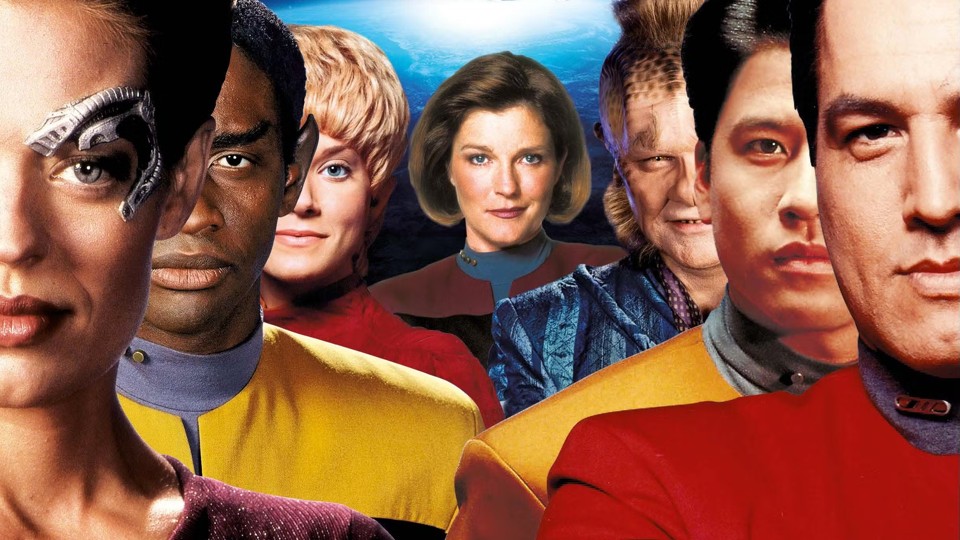
[Part of the Voyager crew.]
My ovearll view on all the old Star Trek shows – at this point I’ve watched The Original Series with movies, The Animated Series, The Next Generation with movies, Deep Space Nine and now finished Voyager, – is that they are important as a cultural step, but also still mostly relevant.
Which is kind of sad, when you think about it: surely we should have fixed a lot of the problems those shows explored by now, right? Nope, some of them are just coming up now, sometimes in eerily familiar ways.
Also, all of these shows, and Voyager is no exception, have an annoying tendency to take two steps forward and one step back. Which, admittedly, still makes them progressive, and, as I mentioned, to this day – there are shows that came after that were worse.
I’m not sure what is worth mentioning about Voyager specifically. It did some cool things: the first woman captain, another interesting take on the human condition via holograms and the Borg, etc. But I can’t really say something like “if you want to explore this particular take on a theme by a Star Trek show and you can only watch one, watch Voyager”. It’s not that unique in my mind. As good all the others.
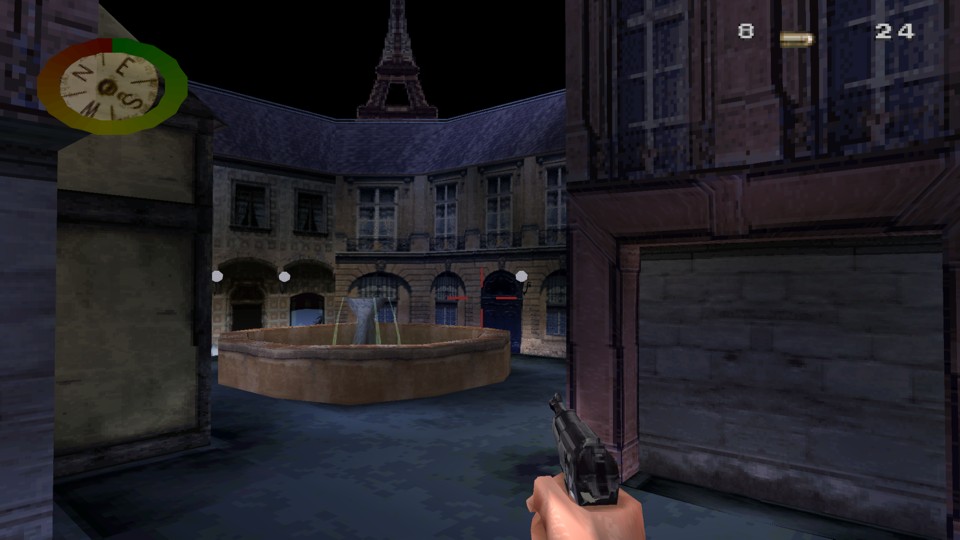
[The first level, set in Paris.]
Sometimes you just want to shoot some Nazis. It’s hard to mistake Medal of Honor: Underground for a modern game, mainly because of the visuals, but it is interesting how it is pretty much a modern military shooter in every other way. From the controls (twin-stick and even aiming down sights, kinda), to the cut-scenes, from the mission objectives, to the variety of those missions (they even had a turret section). And while there are rough edges, it still pretty enjoyable experience!