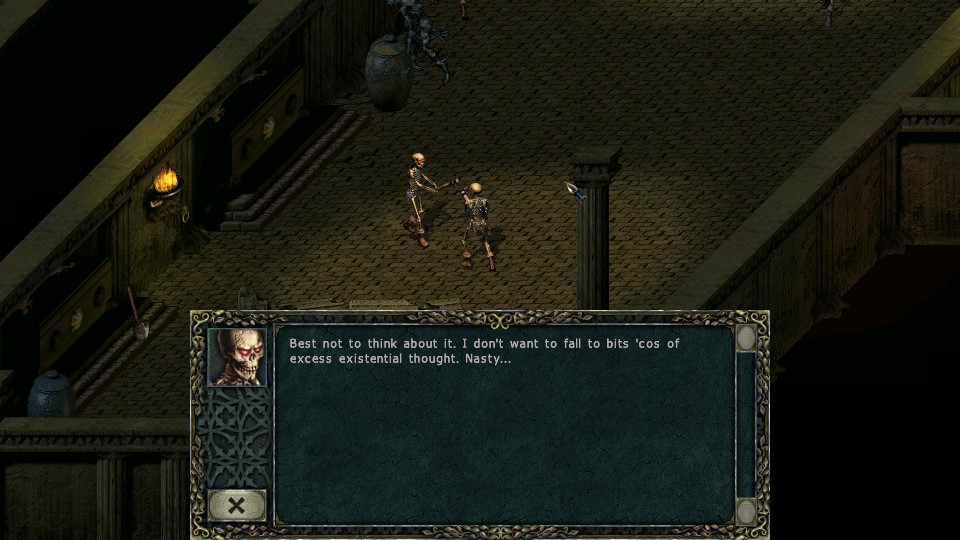
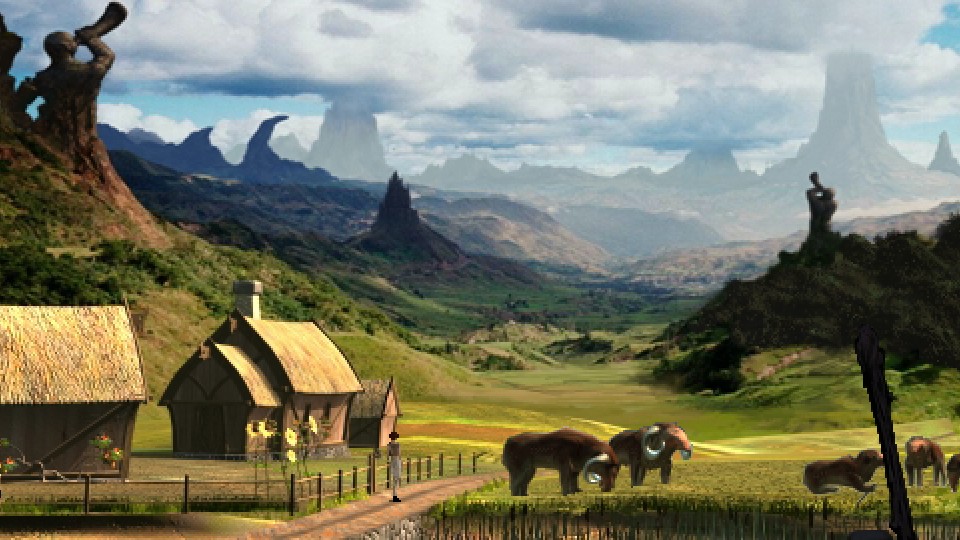
Divine Divinity is a game from the era when attitude was a valid substitute for humor, message, or even story. So it is a bit surprising that it is very restrained. Not without its eyebrow raising moments, but nothing worth calling out, I think.
Starting with the good, it makes me more interested in what else Larian (I’ve already dipped my toes into some of their games, but no more than that). There’s also the bad: it’s a bit junky and its difficulty is uneven, to say the least: I only finished it by cheating my ass off. Do I regret playing it? No. Can I recommend it? Eh-h-h…
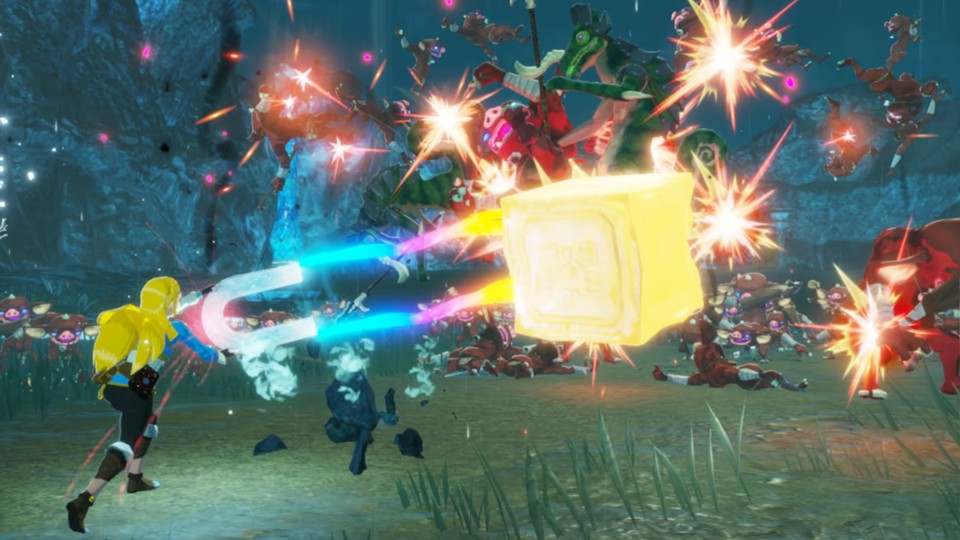
Hyrule Warriors: Age of Calamity is in its own subgenre, but it’s basically a beat-them-up. It can be repetitive, but on easy is at least not demanding. It tells the alternative history version of the backstory of
Breath of the Wild, and manages to tour through it’s world, bringing most of the notable characters (with some very surprising choices) along the way. Fan service-y? Sure, but still easy-going fun and a good excuse to revisit this world for the third time.
At this point, I accept that I will never play another tabletop roleplaying game again. Or any video game with similar level of engagement between players. Consider, that to play something like this, you need:
friends,
…who play games,
…who play the same games you do,
…at the same time as you.
Or dealing with strangers online? Nope.
Partially because of this, and partially because it’s a fascinating thing in itself, I’ve been interested in games that approach this problem: games that require some coordination between players (otherwise why talk at all?) but don’t use (or at least don’t require) text or voice chat.
I wonder what was the first multiplayer game where jumping became a form of communication. Probably the first multiplayer game with jumping in it 🙂
Splatoon can be kind of a level zero. The game is simple enough that you can just play cooperatively and it works. Like with any game, there are ways to talk to your friends, and a coordinated team would be better, but it’s not necessary to have fun.
Games like
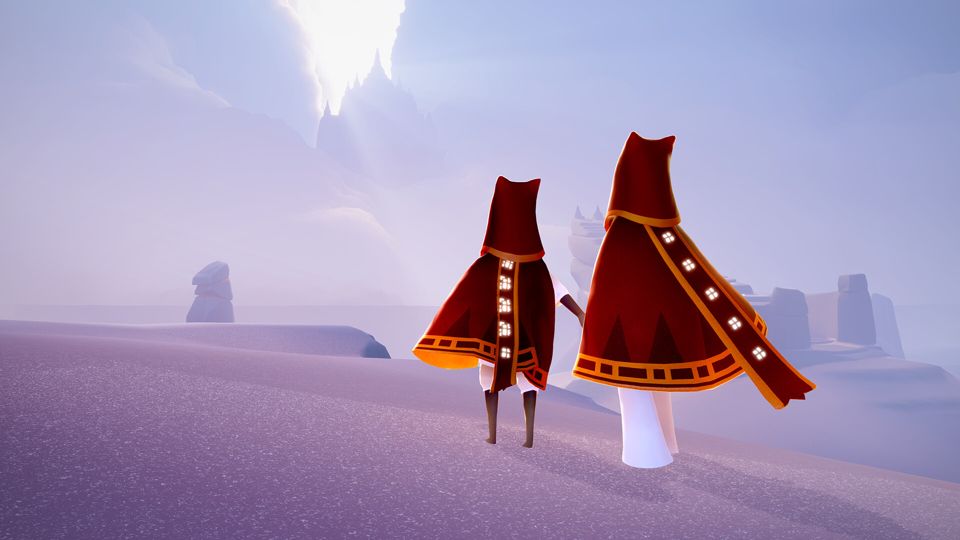
Journey and
Sky: Children of the Light go for something simple, like Splatoon, but they also invent their own thing. Calling it a language is a stretch, but there is communication. If you think about it, a lot of human communication is non-verbal anyway, and this is no different. And when it works, it’s very special.
Apex Legends’ ping ability is brilliant. It’s even useful if you use the voice chat that the game has. If you are not familiar with it, you just have a special button that you press while pointing at something and your character would say something appropriate. You can warn about the enemy, you can say that there is an item on the ground, or even that you need ammo for your gun. It is great.
You can throw the entire
Dark Souls Extended Cinematic Universe in here as games that have gestures. And I find that the vast majority of people actually roleplay in these games. Sure, there are not a lot of ways to not do that, but I still think it is a design choice and a good one. When someone attacks you or helps you, it feels appropriate to the world of the game.
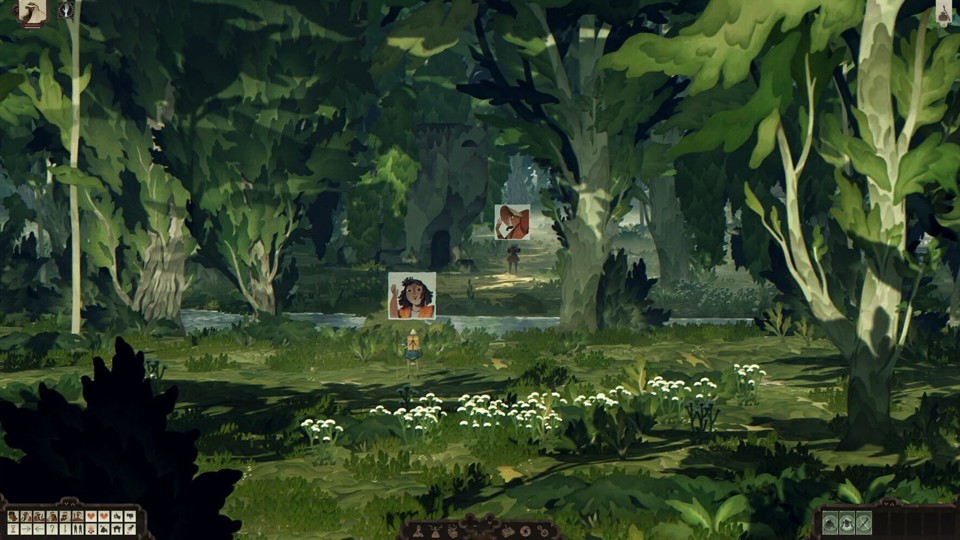
There are a lot of other games that do something similar or maybe very different that I haven’t played or have forgotten. For example, I am still trying to figure out what the hell
Book of Travels even is.
I don’t need a “it’s a game from a quarter of a century ago” qualifier to say that The Longest Journey is a great game. Because there is not much to qualify. Sure, it’s not perfect, nothing is. But the story is good, the puzzles are logical, it’s still pretty and very charming. Quite progressive in places, too.
Like many fairy tales, Tchia is a bit dark. It’s also a bit junky in that indie way. But overall, a very good game! A sort of
Breath of the Wild and
The Wind Waker hybrid. Plenty to do, collect, discover and customise.
A significant element of both Caravan SandWitch and Mika and the Witch’s Mountain stories is how capitalism is ruining it for all of us. In both games you traverse a decently sized open world. You help the community, collect things and find secrets. There are non-humanoid people around, and they both have witches. The same game?
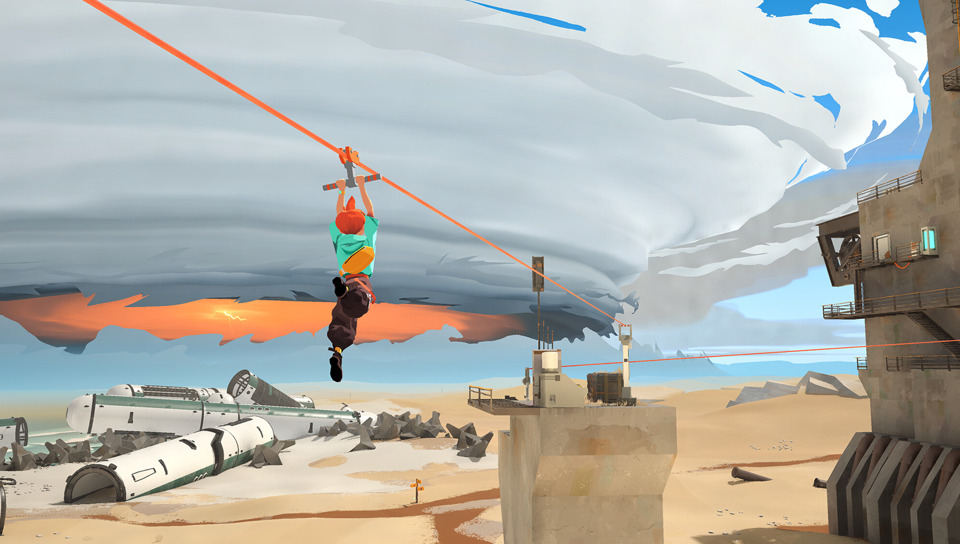
I’m kidding, but there are surprisingly many similarities, apart from the obvious: in Caravan you drive a van, but in Mika you fly on a broom. By the way, this is more platforming with gliding, less actual flying. I know, I was worried too: the ghost of Superman 64 is always looming.
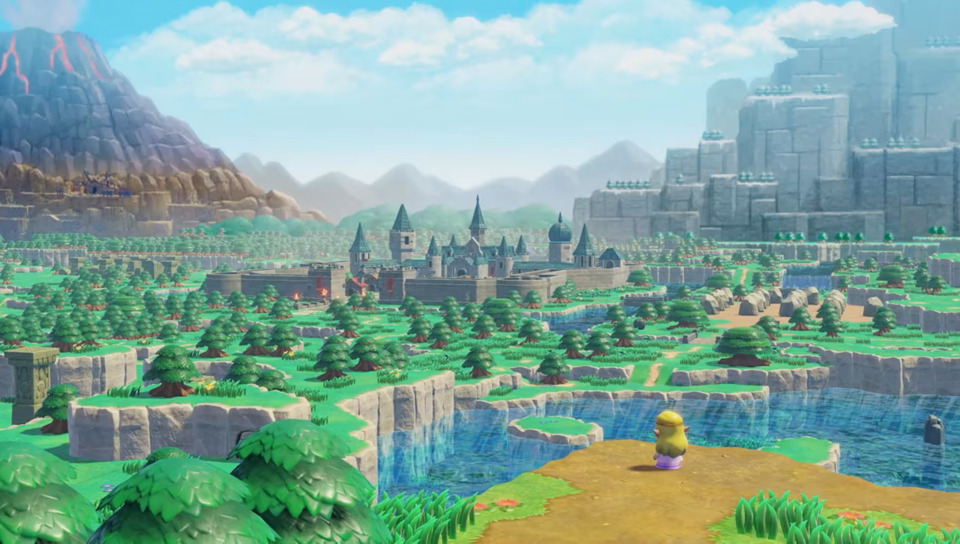
OK, the elephant in the room: developers, and Nintendo is no exception, have a tendency to say shit and then either the game doesn’t even have that as a problem, or it goes beyond that and is actually good, progressive, if you like. This is more or less the case here. Well, I wouldn’t call Echoes of Wisdom woke or anything, but as far as I can tell, it never makes a misstep and delivers a complete The Legend of Zelda game with Zelda as the protagonist.
And it is complete, to the point where I can’t even think of what was in BotW/TotK that isn’t here. From dungeons to shrines, from quests to secrets, from horse riding to imaginative and fun world manipulation (“hey, can I do that?… oh wow, I totally can!”).
Obviously, it has its own thing going on with the echoes mechanic, and there’s been some tweaking to make it work in flat-ish style of the Link’s Awakening remake, but it’s all there! And the game is long, too. There are also a few firsts that I won’t spoil. And cats. So many cats!
I think I mentioned somewhere that the Zelda games from Nintendo are my “problematic faves”, and I stand by that: problems ranging from questionable game elements to the firing of a harassed employee. But I think if they keep going in this direction with games (even with ridiculous claims that there needs to be a justification for these changes) and fix other shit, I won’t have to say it so often.
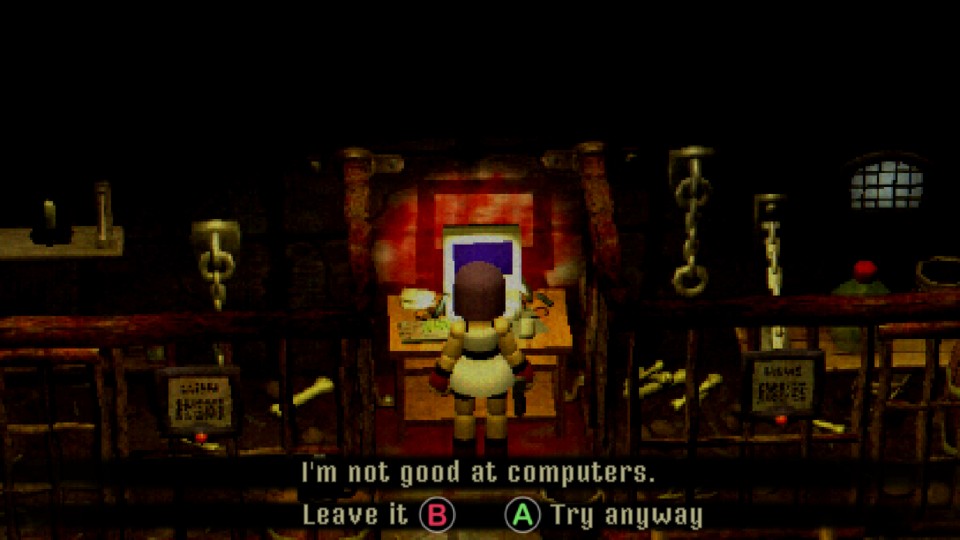
Crow Country is a good modern take on survival horror. It goes for the things that inspire it, but doesn’t forget to put its own spin on it, from aesthetics (kind of PS1 with a dash of Ečstatica) to puzzles (a pinch of Metroidvania thrown in).
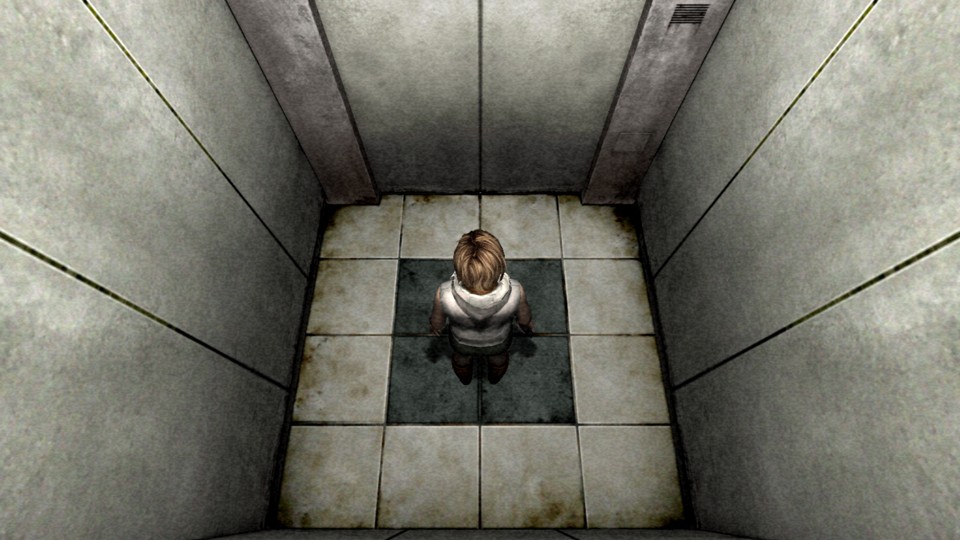
Speaking of survival horrors, I finally finished Silent Hill 3. Obligatory: fuck Konami. Has it aged? Sure, but it still holds up pretty well. To be clear, I think the graphics still look amazing. But the animation, the camera, the acting, things like that, they don’t let you forget that you’re playing a PlayStation 2 game. But at this point, it’s all part of the charm, more than anything. It’s also a sequel to the first Silent Hill, which is the only other one I’ve ever played, and that’s probably going to remain the case with this important but problematic series.
Dot’s Home is a good story about a black family, community and gentrification. It’s point-and-click only in presentation, no puzzles to speak of, almost a walking simulator, really. And it’s free!
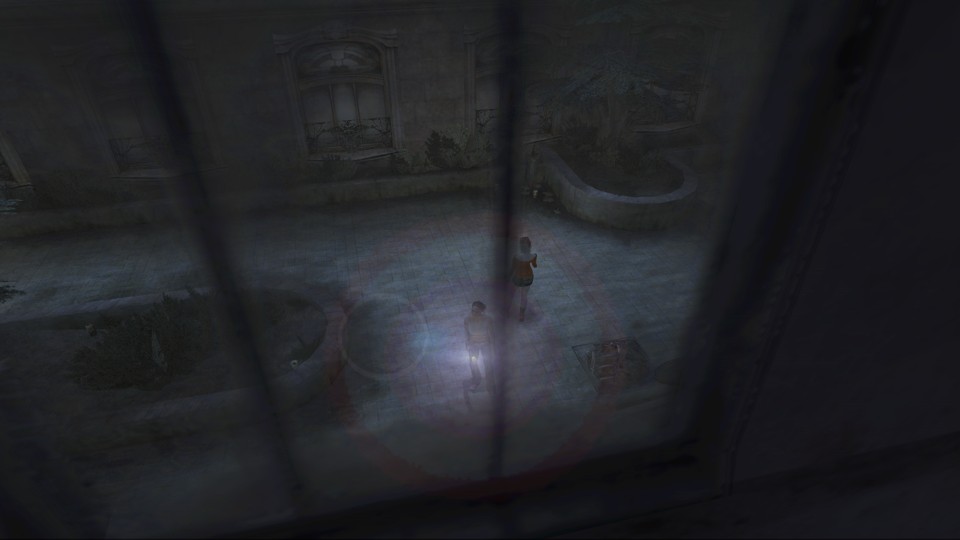
I was also pleasantly surprised by ObsCure. Don’t get me wrong, it’s not flawless (there are at least a couple of instances of sexist stuff that come to mind, for example), but overall it wasn’t as bad as I feared. It also goes for a very specific thing, a subgenre of horror that was popular at the time (The Faculty, anyone?), to the point that the characters look like 30 years old actors playing high school kids, which is brilliant! And even with the gameplay, it does some interesting things, from the light mechanic to the ability to just break glass doors.
I also tried the sequel, and that didn’t go so well. From awkward free camera to immediate sleaze through the roof, I decided not to finish it.
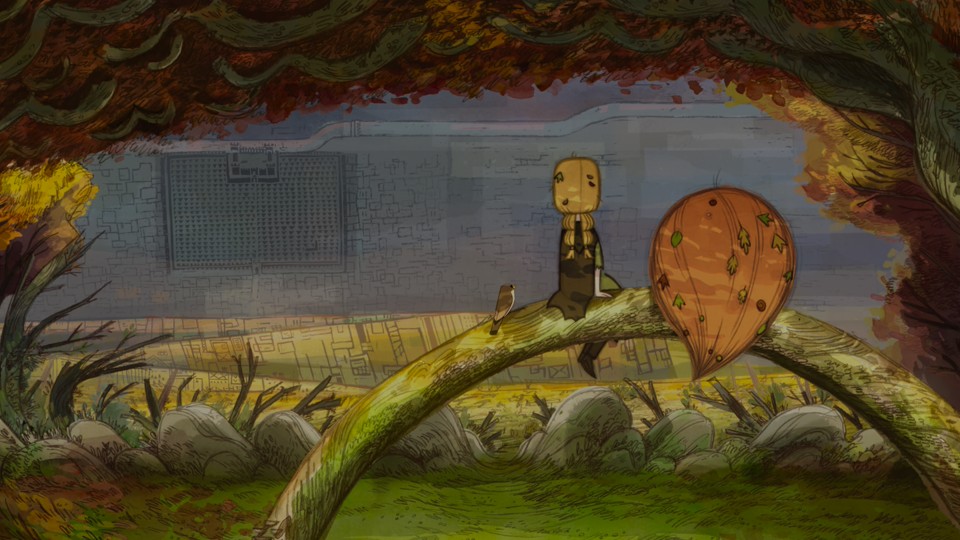
While Nimona is great, Wolfwalkers also has a few tricks up its sleeve. For example, the way it uses the art style to tell the story. It divides the world into a square, orderly human part and a squiggly, wild forest part. It also draws some things in that tapestry kind of way, where everything is seen from a birth-eye view, but facing the viewer. Not a bad story, nice characters, all in all a good movie.
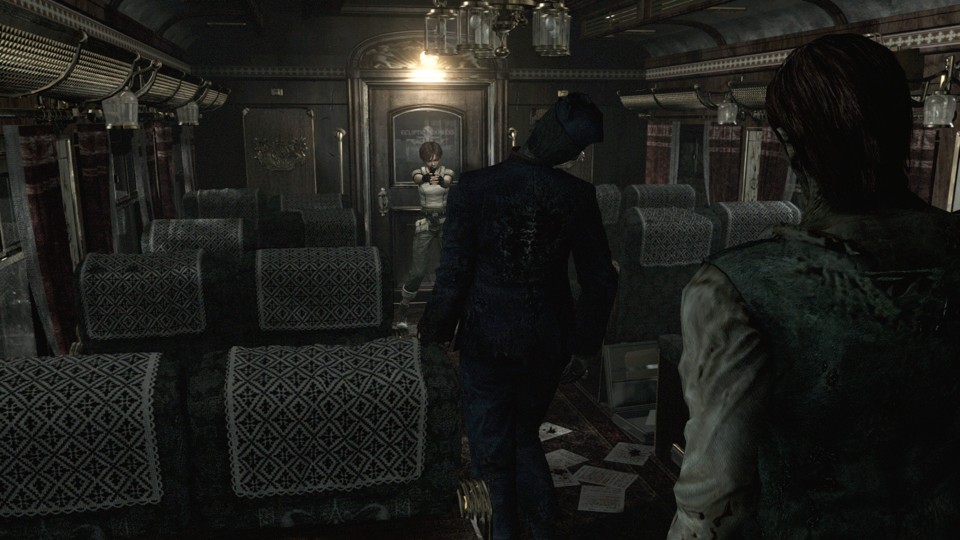
It’s easy to see why the Resident Evil formula has survived to this day (hello, Signalis). It works! Even if the game, like Resident Evil 0, isn’t particularly inspiring and mostly repeats things we’ve already done with just a handful of innovations, it’s still enjoyable.
Anopek is a small metroidvania shooter. Nothing special, just nice.
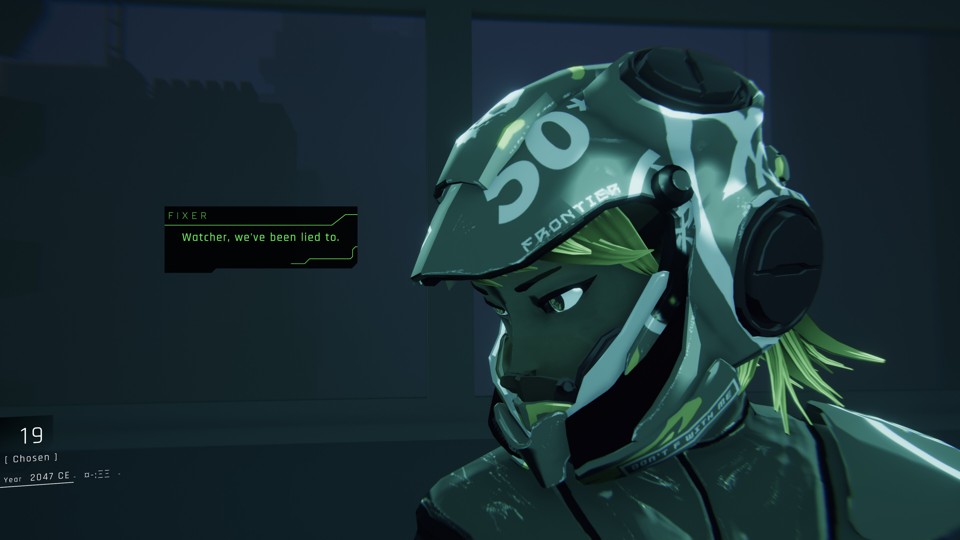
1000xRESIST is inspired by recent history, often directly: expect a global pandemic, immigrant life, high school shenanigans, and other things I won’t spoil. And it’s very cool to see underrepresented people both on and behind the screen, so to speak. But ultimately it is a sci-fi story, and a good one. Maybe slightly garish visuals. A bit. :)
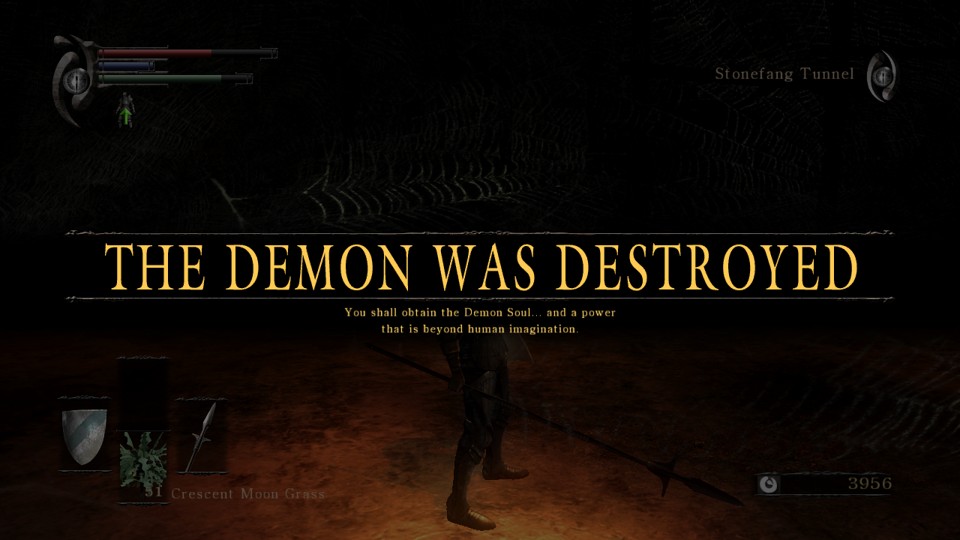
It’s hard to talk about Demon’s Souls, or any soulslike game for that matter, without, you know, talking about it. I won’t go into too much detail, but let’s do it.
I think the discussion about difficulty in games should instead be about accessibility. And in this case I mean accessibility in the broadest sense. I believe that games can and should be accessible to many more people than they are now. And the fact that we often talk about “easy mode” instead is very annoying.
It’s especially annoying because these games, at least the FromSoftware games that I’ve played – played Dark Souls 1; finished 2 and 3, and now finished Demon’s Souls – actually give you a lot of tools to lower or raise the difficulty (if you can play them at all, that is), and they do it well.
And of course it is even more annoying that we have to have this discussion instead of having one about the games themselves. Because they are pretty good, you know! Even if they just threw out the whole combat system that gives way to this annoying and misdirected discussion, there would still be a lot to like. The world, the exploration, the story, the atmosphere, the feeling of progress. Even muddy and dark in the way games were at the time, but still beautiful visuals. Good, good I tell ya!
Wendell & Wild is funny, macabre, and progressive. Not perfect (the deadnaming bit comes to mind), but still pretty enjoyable.
There is almost a whole genre of speculative evolution, of which After Man is probably the most famous. Scavengers Reign took that – mushed a bit with art by Mœbius, – as the setting for a story about people stranded on an alien planet. People from Nostromo, not Enterprise. And it’s also, like Alien, a kind of horror. I was a little disappointed that the story was not bad, but, for lack of a better word, pretty classic for such an innovative setting. But it’s very beautiful to look at, in that unsettling kind of way.
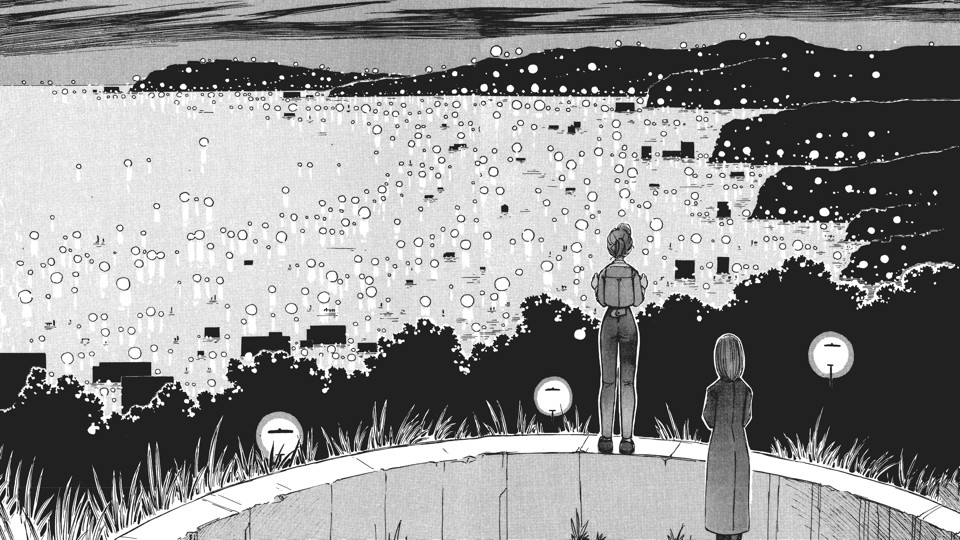
[Two-page spread from chapter 22 of the book]
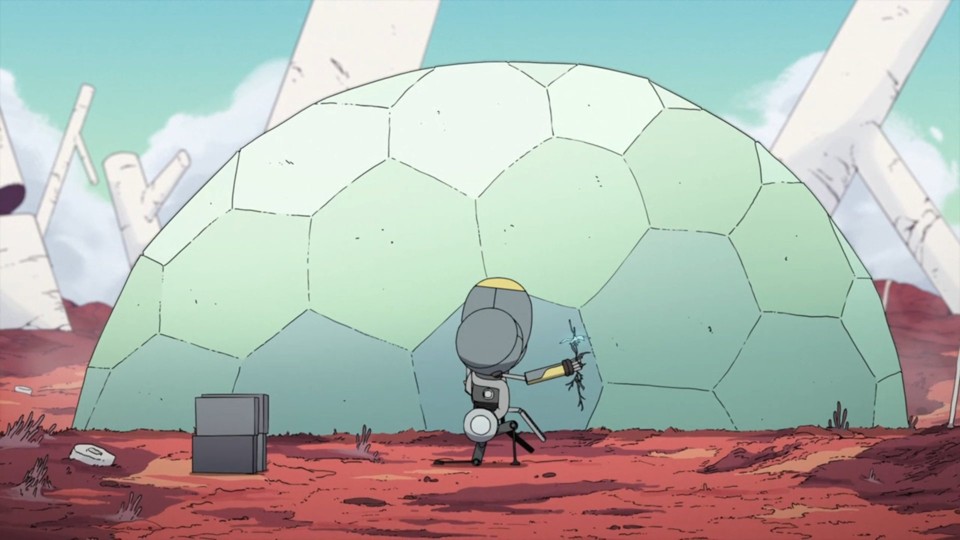
There are two ways to look at Yokohama Kaidashi Kikō (I mentioned it before). On the one hand, it’s a gentle look at the death of the world. Post-apocalyptic doesn’t have to be violent, cruel, or even unpleasant. We will all die, our cities, our world. So why can’t it be peaceful and beautiful?
You can get the most out of it by watching just 4 short episodes of an animation.
The books expand on this and introduce more characters and their stories.
On the other hand, somehow optimistically, it can be seen as a transformation that our world can take – be forced to take – and still be fine. People, even if some of them are robots, will still be doing people things. There would be communities, celebrations, daily work. And maybe it’s better that way.