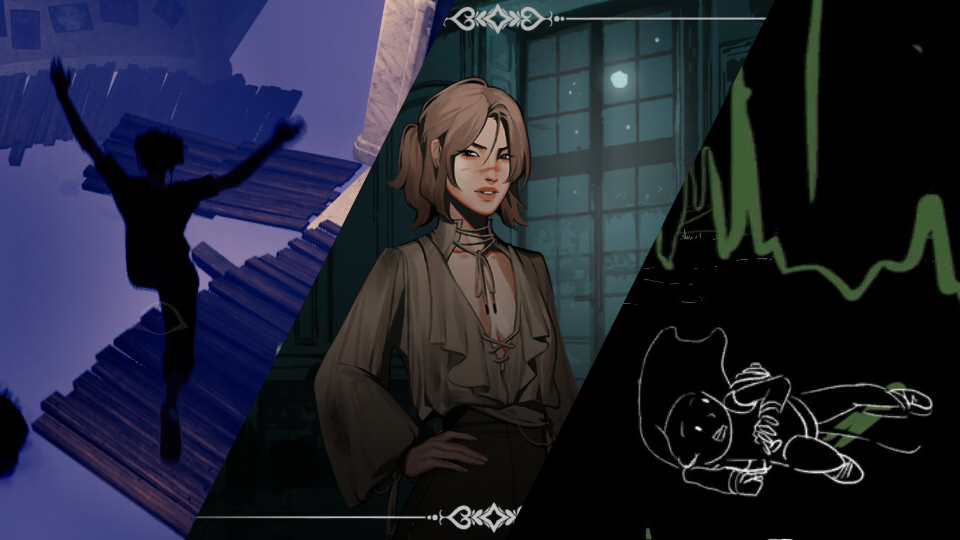
I’m pretty sure that this month, I set a record for the number of games I started but didn’t finish for one reason or another. Nevertheless, here is a list of three free spooky ones:
B is for Ballads at Midnight, a romantic visual novel that can get pretty dark.
C is for Curyeux, a platformer. A bit dark, or just serious, I guess, but not a horror.
I’ve also been tinkering with this blog. If you don’t notice any changes, that’s a good thing. If you notice any changes, hopefully they are positive ones. And it should look even better in NetSurf, the famous and popular web browser.
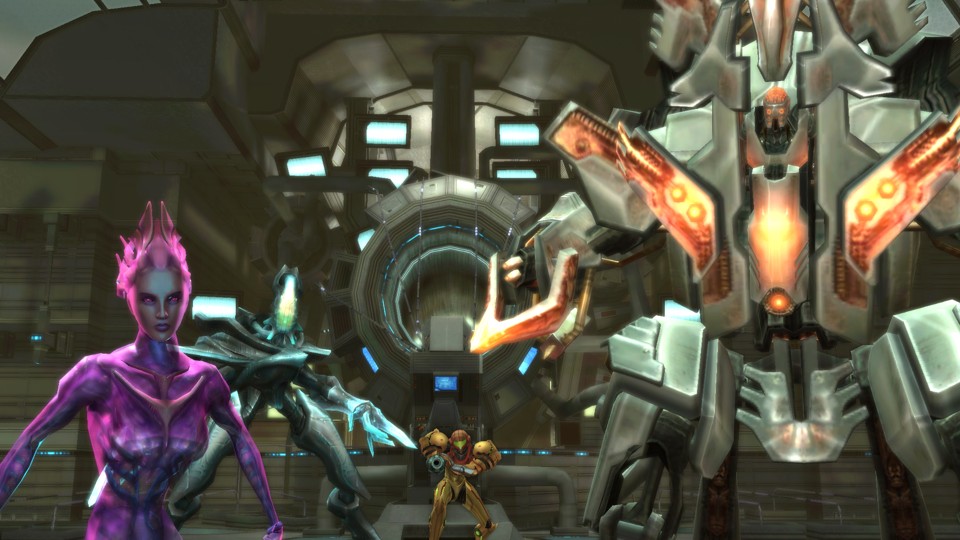
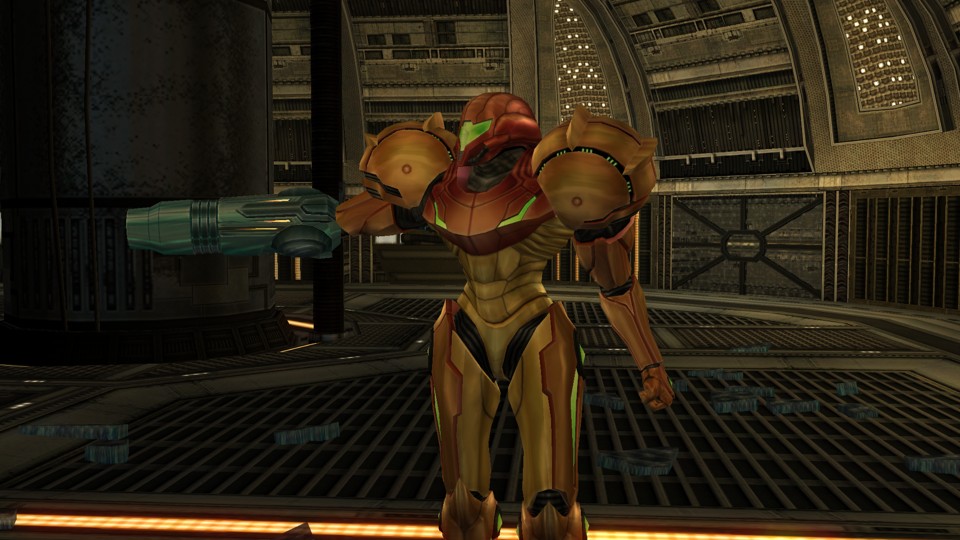
I can’t say that Metroid Prime Trilogy – I just finished Metroid Prime 3: Corruption – would be among my favorite games of all time. I don’t actually have any sort of list like that anyway. But the good parts are so good! I like exploration. The scanning almost feels like detective work. I like movement in a world, with a couple of caveats. I like those worlds a lot.
And all the fiddly parts that drag the series down a bit? Most of them seem to be massaged into an acceptable shape by the third game.
If they manage to make Prime 4 with that gameplay, quality-of-life improvements and all, I would be happy to play it. Maybe someday we’ll see what the canceled version of Prime 4 looked like, but for now, the current one seems pretty fine.
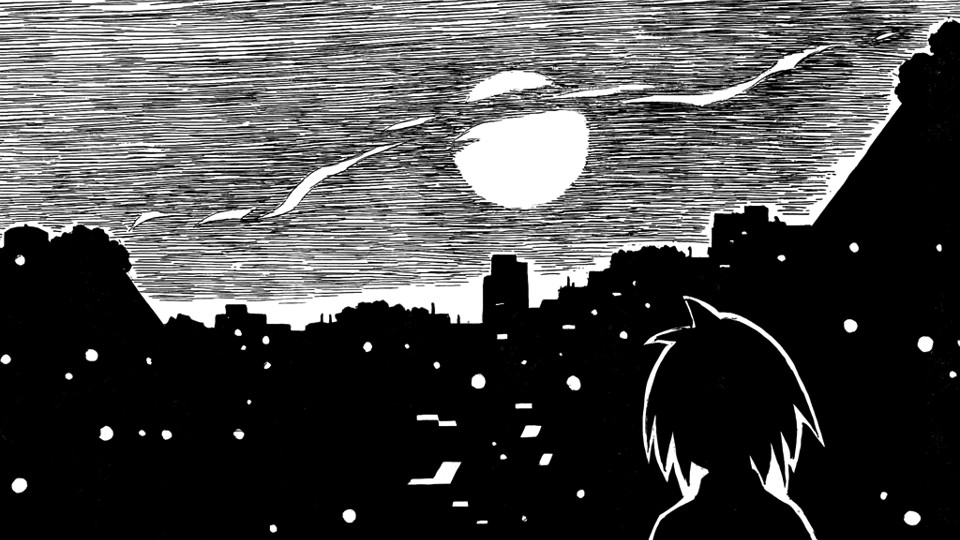
[Panel from chapter 10]
If you have a sort of “chill beats to study to” equivalent in a book form, would you want it to change much, if at all? After Yokohama Kaidashi Kikō, other books by Hitoshi Ashinano I read – PositioN, Kumabachi no koto and Kotonoba Drive – have very similar vibes, structure and art style. And that’s a good thing in my book!
Eternium is another podcast game that won’t bother you with its monetization. You’ll do a lot of grinding, but that’s the point.
What if fire cleaning simulator? That’s a silly but accurate way to describe Nuclear Blaze. Spreading flames will be your main antagonist in this neat-looking platformer. You also save cats!
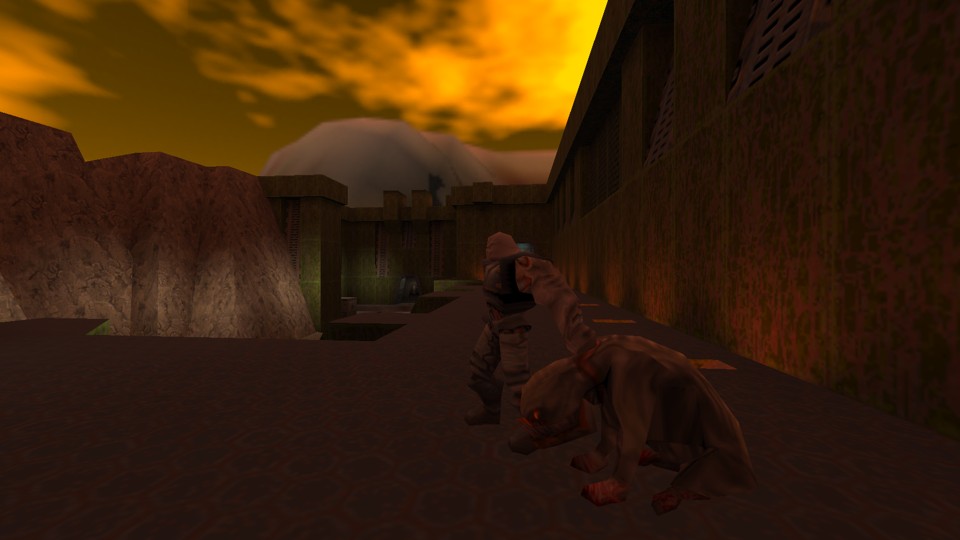
So, Quake II, huh.
[Strogg’s best friend]
Zaero for Quake II is a fan-made campaign. Although it has a couple of unique features, it doesn’t stray far from the original and therefore fits nicely with the other official add-ons.
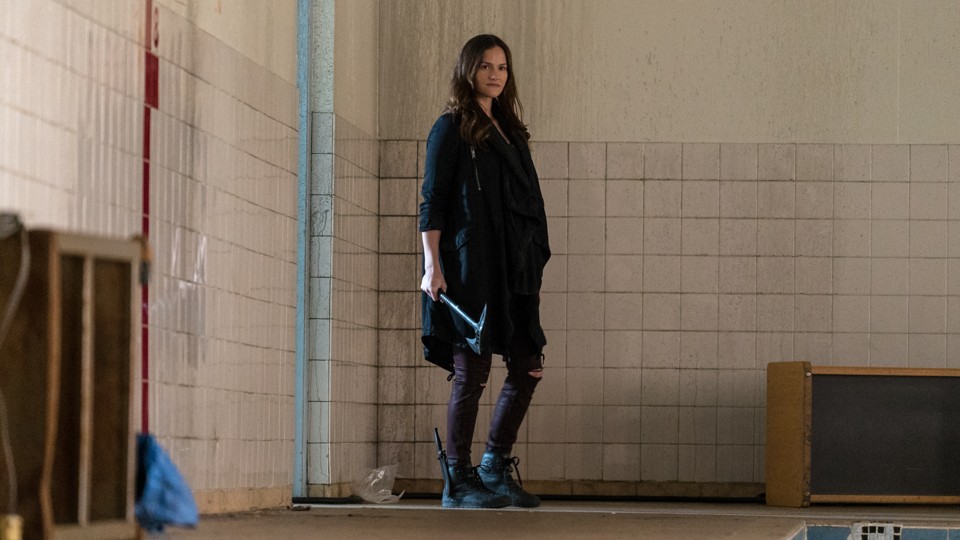
I can only assume that the creators of Van Helsing thought they would go after something like The Walking Dead. However, I think that it is more or less a classic Sci-Fi (Syfy) channel deal. Those shows figured out two things. First, they realized that they need likeable characters so that, no matter what adventures the writers sent them on, the show would still be entertaining. Second, the storyline shouldn’t be too hard to follow.
[Vanessa]
I’m not going to point any fingers, but some shows have crawled up so much of their own creativity, that no length of “Previously on…” would help. Even if the first thing – likable protagonists – is still there, it just stops being enjoyable.
In a sense, Van Helsing is a fantasy set in a post-apocalyptic world, rather than a post-apocalyptic world with vampires instead of zombies, as it seemed at first glance. However, it doesn’t delve too deeply into its lore and magic rules, so you can enjoy it more casually. I stopped watching it for months at one point, but managed to pick up where I left off pretty easily. So, yeah, not bad, not bad at all.
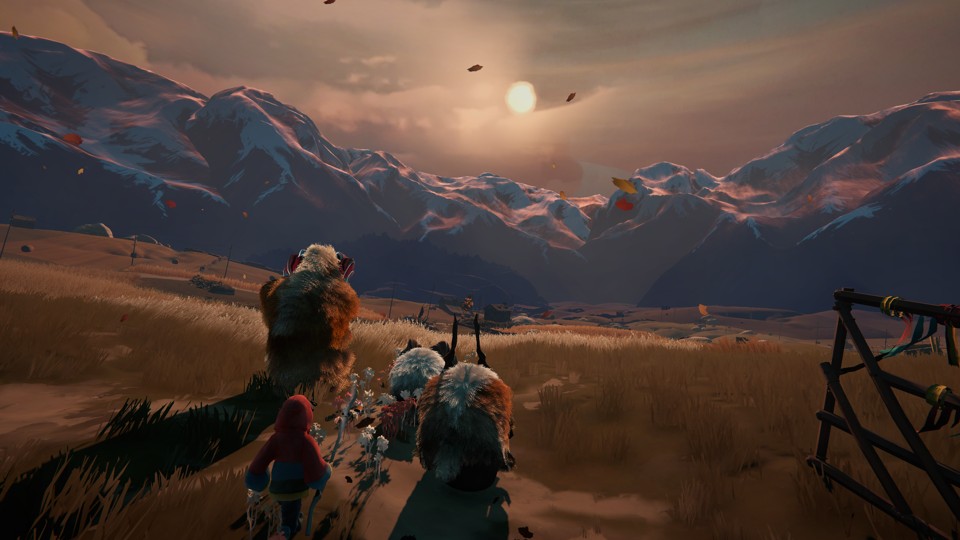
Herdling is neat. Okay, it’s not horror at all, so let’s consider it a vacation that many people traditionally take in August. The game isn’t long or complicated, but, as with other games by the same developer (I like them all), it’s pleasant and has a good atmosphere.
Xenowerk is a straightforward, polished, and enjoyable “podcast game.” It’s free to play, but in the least intrusive way possible: you can watch ads for coins, and that’s it. Actually, it’s not even worth it. The game is grindy, hence the “podcast game,” and those coins aren’t going to make a dent.
,..,
But enough of that. Here are some short horror – or at least somewhat dark – themed games you can play in your browser for free. Small bites!
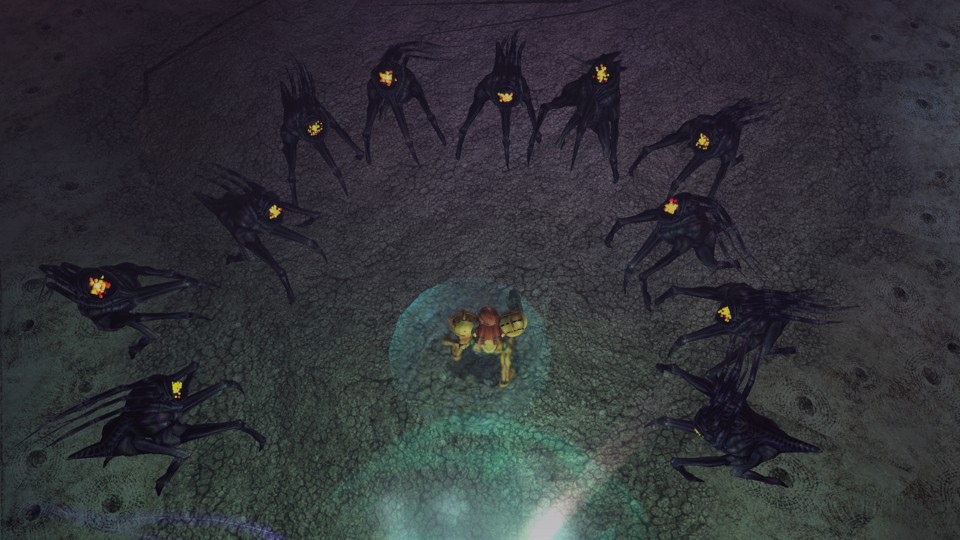
I suppose I can see why people consider Metroid Prime 2: Echoes to be weaker than the first game. It’s a classic sequel problem: what to improve and leave alone, what to add and remove.
I wouldn’t say that, though. I think it’s not better, but worse? Nah. All my complaints are still there, which some would argue is part of the genre. But whatever the reason, I’ll remember the annoying parts, not the difficult parts. And the annoying parts should be improved.
[It’s a horror]
However, I don’t want it to seem like I’m just complaining. While no part of it is amazing, I think it’s a good game overall. And, in a genre dominated by 2D games, a rare one.
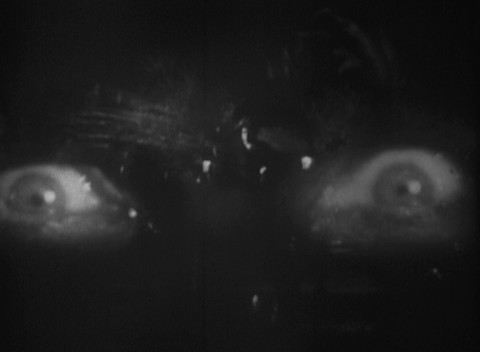
White Zombie is an influential horror film that, as one might guess, is pretty problematic. Sadly, a theme I would be comfortable discussing – zombies as unpaid, tireless laborers, – is barely in the movie. And kinda absent from the modern movies, huh.
I called it problematic, but as I, a white dude, can judge, I don’t think it’s awful. It’s simple but not boring, despite being slow like old movies tend to be, and still interesting, at least from a historic perspective.
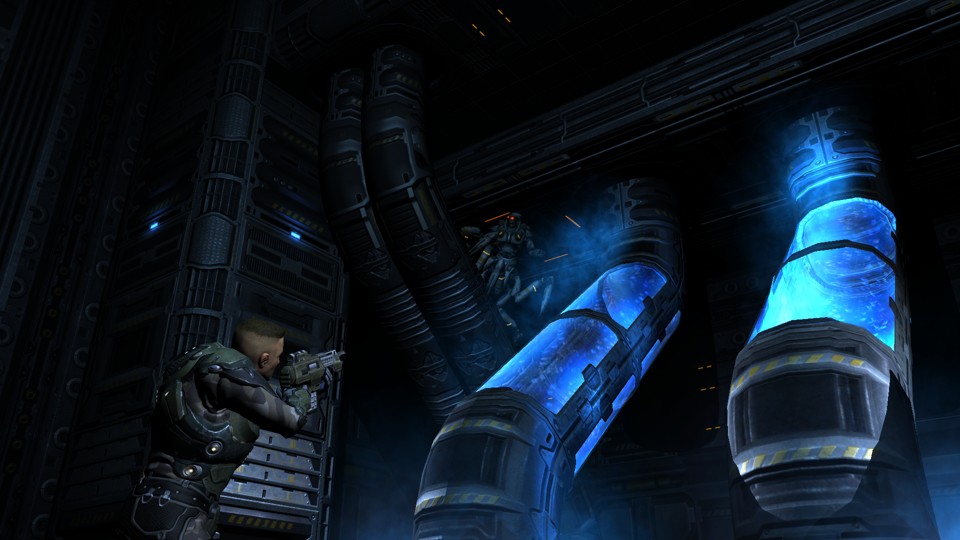
Quake 4 leaned into two aspects of its predecessor. First, since it’s a military sci-fi game, you’ll often find yourself alongside other soldiers, or at least someone will talk to you over comms. You will also occasionally pilot vehicles, which makes sense in this context, and guns have alternative modes and receive upgrades from time to time. Second, the game is essentially a horror game. The Strogg have always been technozombies, but this time it’s cranked to eleven. Including first-person body horror and actual zombies.
[Third-person cutscene]
I find it hard to imagine that there was a discussion at the time about what Q2 depicted poorly. But if there was, it feels like they specifically addressed my concerns in Q4.
I think the reimagination of an Iron Maiden is pretty good and makes them a more unique enemy. There are some pilots and a computer that have female voices, but you never see them. You can’t cheat your way into playing as a woman.
There are plenty of men of color in your fellow soldiers, but they are all one-dimensional at best. The only ones you probably remember are the guy who [spoiler], the dude with the Russian accent, and the technician voiced by Peter Stormare. So, all white. The main character is also white.
Since the game leaned so heavily into horror, at least for me, none of what is depicted reads as “bad treatment of PoWs”. What can you expect from monsters!
Did they address it? It seems like it, doesn’t it? Was that an improvement? At that time? Kinda?.. Today? Of course not!
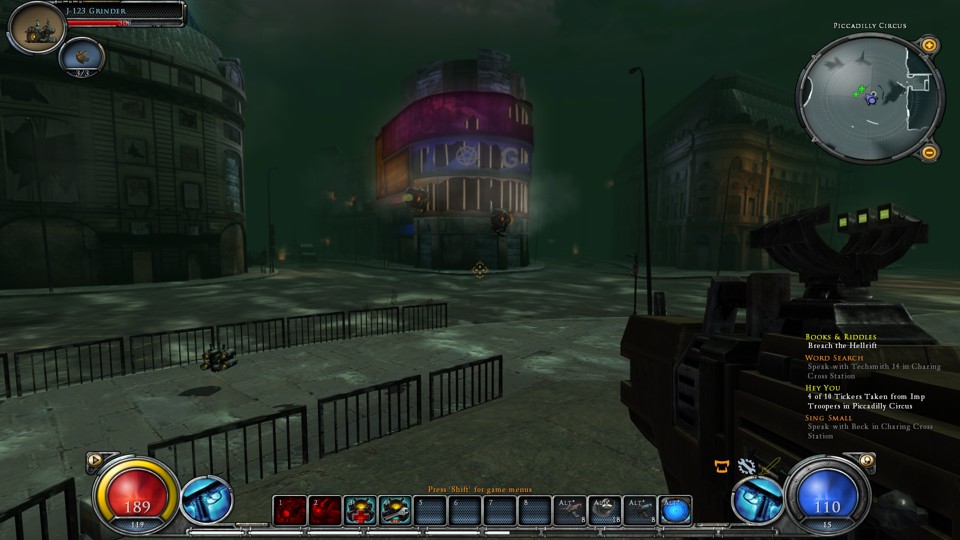
Is Hellgate: London an evolutionary dead-end? Everyone after it went another way: instead of trying to make an action RPG look like a first-person shooter, they made first-person shooters with RPG elements. Or is it a stepping stone, when today almost every game is a genre hybrid?
Even at the time, the consensus was that it should have played more like a shooter. However, I also see merit in this approach, where your aim, your positioning, etc. – you know, shootery stuff – don’t matter that much. I believe those types of action RPGs were always aimed at a more casual crowd. They were designed to run on average hardware and were less involved, so to speak. Why not make casual looter shooters? I would have liked to see that timeline.
It’s easy to argue that mobile shooters went that direction.
Besides this unique approach, is there anything else in the game that makes it interesting even today? Not really. It’s not a bad game, but it’s not great either. There are some bugs and finicky elements, a kind of meh story, and some it’s-from-almost-20-years-ago shenanigans. Still, it’s an interesting curio worth remembering.
[Power couple]
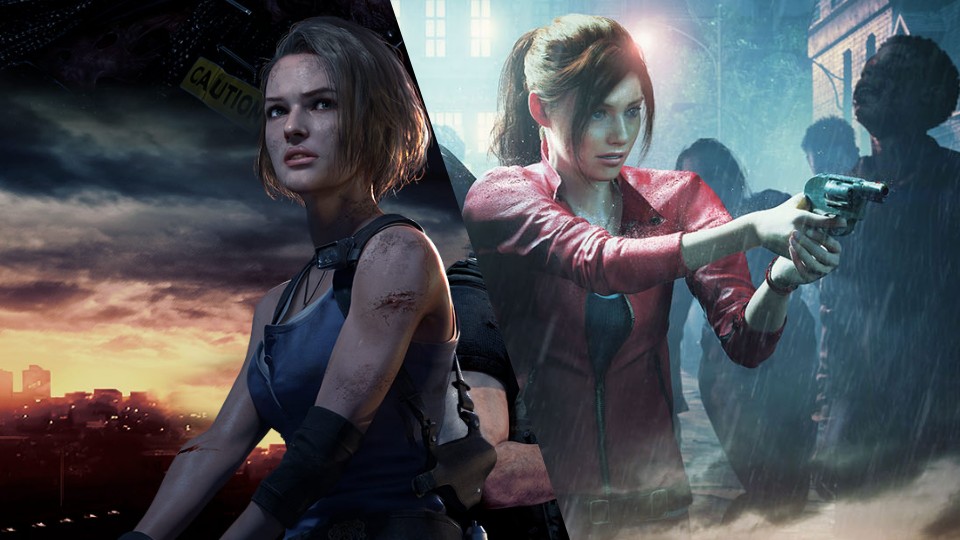
I like what you did with the place! By which I mean I like both remakes of Resident Evil 2 and Resident Evil 3. And they are full-on remakes, I checked: I accidentally finished the original Resident Evil 2 (1998). You would recognize the game because it has most of the original’s story, characters, and game mechanics. However, you would never mistake the two if someone put the original into a modern engine or vice versa. They redid a lot!
At this point, you can’t trust me, I’ve lost all sense of what constitutes an improvement versus a change made just for the sake of change. So I can’t tell you which version is better because they’re so different. I liked them both. I don’t think the old one is unplayable from today’s perspective: the game doesn’t write notes for you, which is basically what remake is doing, but it still gives you all the information you need. Maybe write a note or two yourself, just to be safe.
I didn’t finish the original Resident Evil 3, only played a bit. But I can also confirm that it’s very different. Besides the comparison between the old and the new, my opinion on 3 is more or less the same as on 2.
All the praise I can give these two (three) games doesn’t mean they’re perfect. Despite having female protagonists from the beginning, the series often falls into uncomfortable stereotypes. Also, the entire series, which has nearly a dozen games in its main branch alone, with minuscule exceptions, is white as snow. How?! While I can’t say any of the games are copaganda, it’s hard not to notice how all the issues are blamed on a few bad individuals or companies. Plus all the usual issues that plague horror may be present from time to time.
[Fable 4]
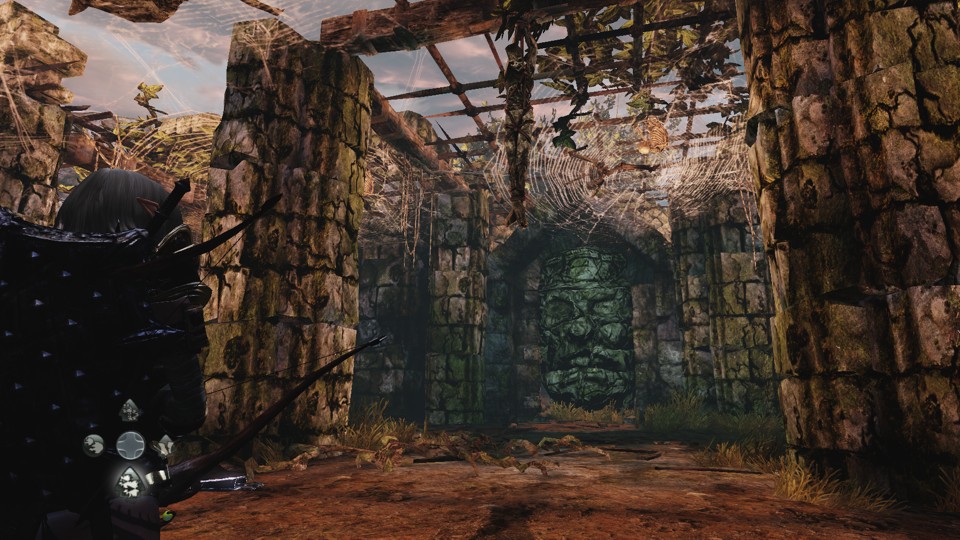
Hunted: The Demon’s Forge grew on me. In the end, I decided to think of it as a fantasy version of Gears of War: it is a co-op game that you can play solo; you have both ranged and melee weapons; it has cover and giant bosses; and it looks the part (same engine helps). But it goes beyond that by incorporating all those dungeon-crawling elements from its tabletop inspirations. Expect lore, puzzles, side quests, loot, and, of course, RPG elements.
I find it funny that I accidentally found another game with ranged combat where you don’t need to aim (you can and you should, but you don’t have to, not all the time, at least), kind of like a descendant of Hellgate: London. It’s also a game that wants to bring the classic tabletop RPG feel.
It’s confidently made, but developers who had worked on different types of games before, or a lack of resources, make it rough in places. While finding a good weapon and investing in a couple of skills can improve combat, it still won’t feel great. Exploration is mired by a somewhat muddy art style and arbitrary invisible walls. It feels uneven, showing that there were not enough resources to cover everything: there is one model of a friendly NPC warrior that you encounter throughout the game; a couple of voice actors play most of the secondary characters; etc. Its portrayal of women would not earn it any progressive points either.